
Frame Lock Up Fix Guide for Better Builds
If a project feels like it starts smoothly and then bogs down halfway through, the problem is often not the finish trades. It starts earlier. A solid frame lock up fix guide helps you see where time, quality and cost can drift across the carpentry stages, and what to do before those issues flow into every trade that follows.
For builders, that means fewer site headaches, tighter programming and less rework. For homeowners, it means a renovation or extension that feels organised instead of chaotic. The three stages are closely linked, and when one is rushed or poorly coordinated, the next one pays for it.
What frame, lock-up and fix actually mean
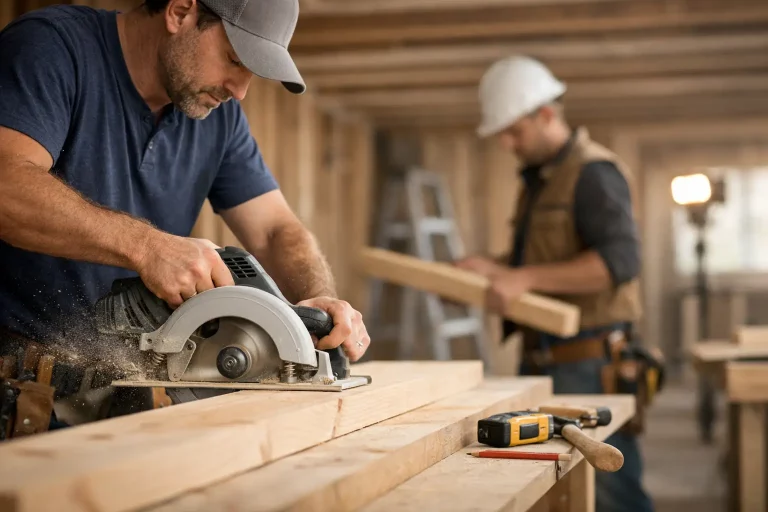
These terms get used a lot in residential construction, but not everyone uses them with the same level of detail. Framing is the structural carpentry stage where the skeleton of the home or extension is built. That includes walls, floors, roof framing and the structural layout that everything else relies on.
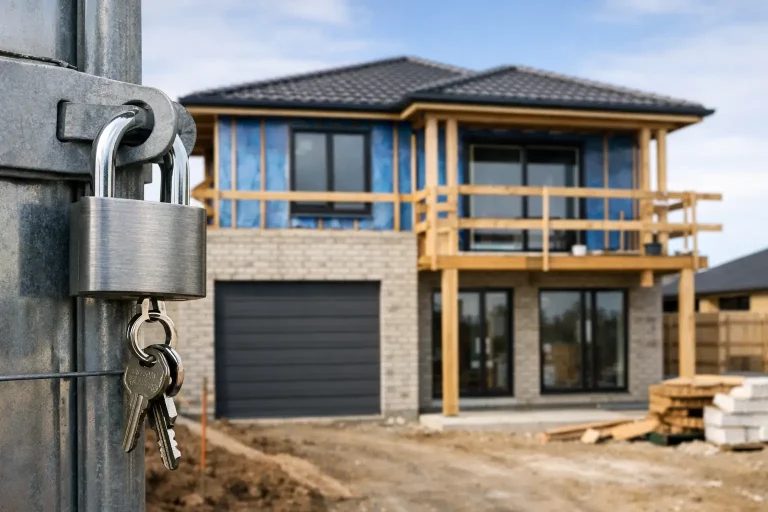
Lock-up comes next. This is the point where the building is enclosed with external doors, windows, cladding, roofing and other elements that make it secure and weather resistant. It is a major turning point because once the structure is at lock-up, internal trades can work with more consistency and less exposure to weather.
Fix is the stage where the finer carpentry work starts to shape the finished look. Skirtings, architraves, internal doors, hardware, cabinetry elements, timber linings and other visible carpentry details are installed here. It is the stage people notice most, but the quality of the fix stage depends heavily on the accuracy of the stages before it.
Why a frame lock up fix guide matters on real jobs
A lot of project delays come from treating these stages as separate boxes to tick. In practice, they overlap in planning, procurement and site coordination. If the frame is out, lock-up becomes harder. If lock-up is delayed, internal works lose momentum. If fix carpentry starts before the site is truly ready, the finish suffers.
That matters whether you are managing a townhouse build or adding space to a family home. Poor sequencing can lead to swollen timber from weather exposure, windows that do not sit properly, doors that need adjustment later, and finishes that never look as clean as they should. You can still complete the job, but the path there is slower and usually more expensive.
A good guide is not about making the process sound more complicated than it is. It is about understanding where the pressure points are so you can make better decisions early.
Frame lock up fix guide: what to get right at each stage
1. Get the frame right before chasing speed
Framing sets the standard for everything that follows. If walls are not straight, openings are not set out correctly, or structural elements are rushed, the problems rarely stay hidden. They show up later in plaster lines, joinery fitment, cladding alignment and door operation.
Builders often feel pressure to move quickly through frame stage to keep momentum on site. That is fair enough, but speed only helps if the work is accurate. A day saved during rough framing can easily turn into several days of correction across lock-up and fix.
For homeowners, this is usually the stage that looks dramatic but not yet polished. It can be tempting to focus on what is visible later, such as finishes and fittings. The reality is that good finish quality starts with what is behind the walls and under the roofline.
2. Treat lock-up as more than just enclosure
Lock-up is often spoken about like a milestone on a payment schedule, but practically it is a quality control stage. The building is being sealed up, yes, but it is also being tested for buildability. Openings need to be true. Interfaces between carpentry, windows, cladding and roofing need to be properly planned. Flashings, tolerances and weather management all matter here.
This is where communication becomes critical. If suppliers, carpenters and other trades are not aligned, lock-up can stall waiting for materials or adjustments. One delayed component can affect multiple tasks. That is why dependable scheduling and clear site management make such a difference.
It also helps to be realistic. Some jobs move cleanly from frame to lock-up. Others hit delays because of custom windows, engineering changes or weather. The point is not to pretend every project runs perfectly. It is to manage those variables before they become costly.
3. Do not start fix carpentry on an unready site
Fix carpentry looks straightforward from the outside, but it is one of the easiest stages to compromise by poor timing. If plaster is not finished properly, floors are not level, moisture is still present, or trades are still colliding in tight spaces, the fix stage becomes slower and messier than it should be.
This is where a lot of frustration comes from. Homeowners expect the project to feel close to complete because the visual details are going in. Builders want momentum. But if the site is not genuinely ready, quality gets squeezed. Good fix carpentry needs clean lines, careful set-out and a site environment that supports precise work.
The common mistakes that cause delays and rework
The first mistake is poor set-out at frame stage. Once measurements drift early, later corrections become awkward. You can pack, trim and adjust, but too much correction creates a chain of compromises.
The second is ordering too late. Lock-up relies on materials that often have lead times, especially for custom products. Waiting until frame completion to think seriously about windows, doors or cladding can leave a site sitting idle.
The third is weak communication between trades. A carpentry team might be ready to move, but if another trade has not completed its part properly, everyone loses time. Builders know this well, but homeowners feel it too when the programme stretches and explanations become vague.
The fourth is pushing the fix stage before moisture and substrate conditions are under control. Timber movement, paint issues and door adjustments often come back to this.
How builders can keep these stages running well
For builders and site managers, the strongest approach is simple. Bring carpentry into the planning conversation early, not only when labour is needed on site. A good carpentry team can flag sequencing issues, likely clashes and practical details before they become programme problems.
It also pays to work with teams that understand the full build path, not just isolated tasks. When the same trade partner can think through frame, lock-up and fix as connected stages, handover between phases is smoother. There is less guesswork, less repeated explanation and a clearer standard across the job.
That does not mean one approach suits every build. A custom home, multi-residential project and lived-in extension all have different site pressures. But the principle is the same – consistency saves time.
What homeowners should ask before work starts
Homeowners do not need to know every trade detail, but they do benefit from asking the right questions. Ask how the carpentry stages will be sequenced. Ask what needs to be completed before the next stage starts. Ask how delays in materials or weather will be communicated.
Clear answers usually tell you a lot. If the process is vague, the project often feels vague later too. If the builder or carpentry team can explain the flow clearly, that is usually a good sign that the site will be managed properly.
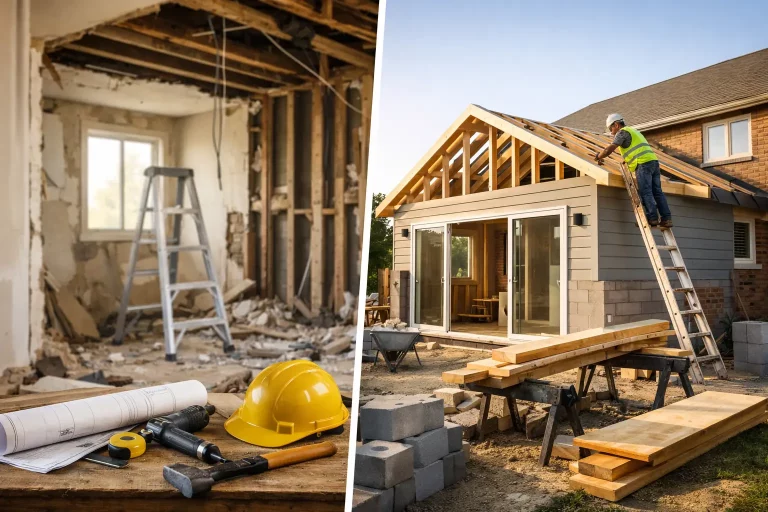
For renovation and extension work, this matters even more because new work has to tie into an existing home. There is less room to hide poor transitions or rough set-out. Details need to work both structurally and visually.
Why workmanship and communication belong together
Good carpentry is not only about cutting and installing timber accurately. It is also about follow-through. The best outcomes come from teams that turn up when they say they will, raise issues early and keep the job moving without cutting corners.
That is especially true across frame, lock-up and fix, because these stages influence so many others. When communication is weak, even decent workmanship can get buried under delays, clashes and patch-up work. When communication is strong, quality has a better chance to show up properly on site.
For projects across Melbourne’s south east, that mix of workmanship and reliability is often what separates a stressful build from a well-run one. It is also why many clients look for a carpentry partner who can manage the full scope instead of stepping in for one narrow part of the job. Teams like Scotia Construction build their reputation on exactly that kind of consistency.
A well-run project rarely feels dramatic. The frame is right, lock-up happens when it should, fix goes in cleanly, and the finished result looks the way it was meant to. That is usually not luck. It is the result of getting the basics right early and sticking to them all the way through.