8 Best Renovation Upgrades for Families
School bags dumped at the door, lunchboxes on the bench, one bathroom queue forming before 8 am – family homes get tested hard. The best renovation upgrades for families are the ones that make daily life easier, not just the ones that look good in photos. If a renovation reduces stress, improves movement through the home and still holds up to years of use, it is usually money well spent.
For most families, the right upgrade is less about chasing trends and more about fixing pressure points. That might mean creating better storage, opening up a cramped kitchen, adding another bathroom or making outdoor space more usable. The strongest results come from choosing improvements that suit how your household actually lives.
What families really need from a renovation
A family home has to do a lot at once. It needs to handle busy mornings, homework, dinner prep, downtime, visitors and the general wear that comes with kids growing up. That is why the most effective renovations focus on function first, then finish.
Good planning matters more than people expect. A beautiful kitchen will still frustrate you if there is nowhere to put school bags or if the fridge blocks a walkway. A larger living room will not solve much if it leaves you short on storage. Families get the best value when layout, durability and day-to-day use are considered together.
Best renovation upgrades for families that earn their keep
1. An open-plan kitchen and living area
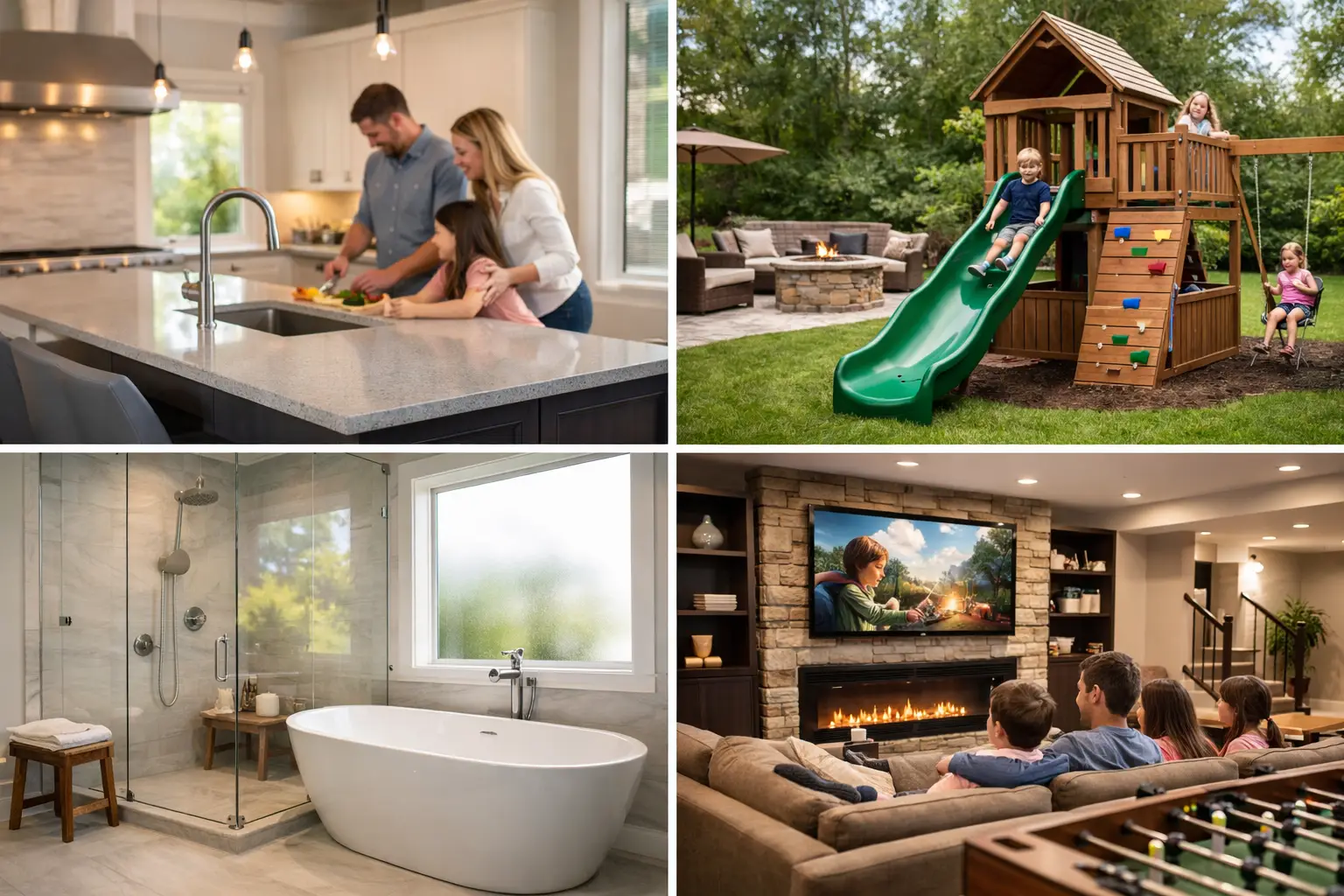
If there is one upgrade that consistently changes how a family home works, it is improving the kitchen and connecting it properly to living space. Parents can cook while keeping an eye on kids, conversations happen more naturally and the home generally feels more usable.
That does not always mean knocking out every wall. Sometimes a partial opening, a wider doorway or a better island layout does the job without the cost of a full structural redesign. It depends on the house, the budget and how much privacy your family wants. Open-plan living suits many households, but some still benefit from having one separate room where noise can be shut out.
The key is to make the kitchen practical. Durable cabinetry, easy-clean surfaces, plenty of drawers and strong lighting matter more over time than flashy fittings.
2. Smarter storage built into the home
Families rarely complain about having too much storage. They do, however, notice when there is nowhere for shoes, sports gear, toys, linen or pantry items. Built-in storage is one of the most underrated upgrades because it improves how a home feels without needing extra floor area.
A mudroom-style entry, a full-height pantry, under-stair storage, window seat storage or custom robes can all reduce clutter fast. This is where good carpentry makes a real difference. Storage works best when it is planned around the way people move through the house, not just squeezed in where there is leftover space.
For growing families, flexibility helps. Deep drawers, adjustable shelving and cabinetry that can shift purpose over time will outlast one stage of family life.
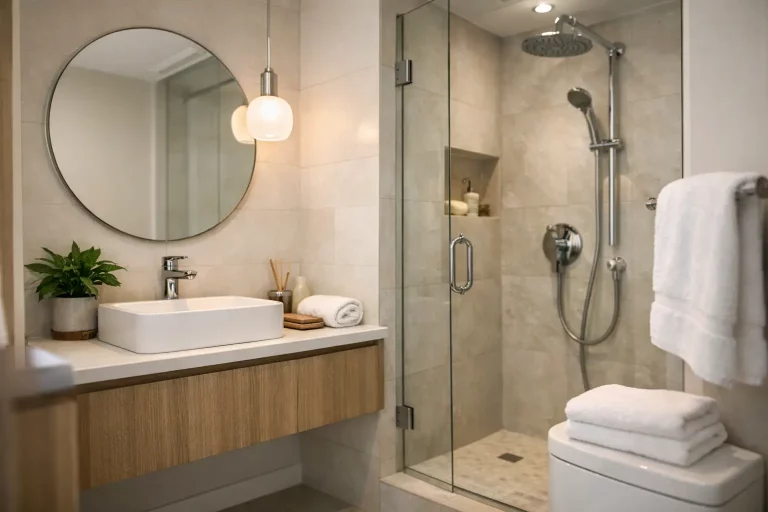
3. A second bathroom or better bathroom layout
When one bathroom has to service a whole household, mornings can become a daily negotiation. Adding a second bathroom, ensuite or powder room is often a high-impact upgrade for families because it relieves pressure straight away.
If adding a new bathroom is not realistic, reworking the existing layout can still improve things. A separate toilet, double vanity or better shower arrangement can make the room more efficient without expanding it too much. These changes need careful planning because plumbing, waterproofing and structural work can quickly affect cost.
It is also worth thinking beyond the current moment. Younger kids need practical, easy-clean spaces, while teenagers will value privacy and bench space. A bathroom that can handle both stages is usually the smarter investment.
4. A proper laundry with storage and bench space
Laundry rooms do not always top the wish list, but families use them hard. A well-designed laundry can become a quiet workhorse of the house, especially when it includes sorting space, overhead cupboards, a hanging rail and somewhere to hide the washing pile when people come over.
In many homes, the laundry also serves as a secondary entry point. That creates an opportunity to combine washing, storage and everyday drop-zone functions in one practical area. Even a compact laundry can work far better with custom joinery and a smarter layout.
This type of upgrade is not as visible as a kitchen renovation, but families usually feel the benefit every single week.
5. Outdoor living that extends the usable space
For families, outdoor upgrades are often about more than entertaining. A covered deck, pergola or improved backyard zone can create extra room for meals, play, homework or simply getting everyone out of the house without leaving it.
In Melbourne’s south east, weather can shift quickly, so covered outdoor areas generally offer better value than open hardscaping alone. If the space is sheltered, well-lit and connected well to the kitchen or living area, it is far more likely to get used through more of the year.
It pays to think about sightlines and supervision too. Parents often want to see the backyard from inside, and younger kids need safe, durable surfaces. A family-friendly outdoor area should feel easy to maintain, not like another job added to the weekend list.
6. Multi-use rooms that adapt over time
One of the best renovation upgrades for families is creating space that can change purpose as the household changes. A playroom can become a study zone. A spare room can work as a nursery, guest room or teen retreat. A small extension can provide the breathing room a family needs without the cost of moving.
This is where layout matters more than size. Sliding doors, built-in desks, custom shelving and smart zoning can make one room work harder. If your home already has enough square metres, reconfiguring existing areas may deliver better value than building out.
Families often outgrow rigid floor plans before they outgrow the house itself. Flexible rooms give you more runway.
7. Better natural light and connection to the backyard
Dark homes can feel smaller and harder to live in, especially when family life is already busy. Improving natural light with larger windows, glazed doors or a better rear opening can lift the whole feel of a home and make shared spaces more inviting.
This kind of upgrade works particularly well in kitchen, dining and living zones. It can also improve supervision of outdoor areas and make the home feel more connected overall. There are trade-offs, though. More glazing needs to be balanced with privacy, insulation and summer heat control.
A good result is not just about more glass. It is about placing openings where they improve movement, outlook and comfort.
8. Durable finishes that can take real family use
The finish selection stage is where many family renovations either stand up well or age quickly. Hard-wearing flooring, quality cabinetry, easy-clean splashbacks and solid hardware often deliver better long-term value than highly delicate materials.
That does not mean everything needs to look purely practical. It means choosing finishes that suit the reality of family life. Timber-look flooring, stone or quality engineered benchtops, soft-close cabinetry and well-finished joinery can all give a home a polished result without making it high-maintenance.
This is also where honest advice matters. A finish that looks impressive in a showroom may not be the right choice for a home with toddlers, pets and heavy daily use.
How to choose the right family renovation
Start with the bottlenecks, not the wishlist. Where does the home frustrate you most often? Is it storage at the entry, lack of bench space, only one bathroom, or no connection between indoors and outdoors? The best upgrade is usually the one that solves a repeated problem.
Then look at cost versus impact. Structural changes can be transformative, but they are not always necessary. Sometimes better joinery, a smarter layout or improved flow between rooms delivers most of the benefit at a lower spend.
It is also worth thinking about timing. If you plan to stay long term, you can prioritise upgrades that improve liveability for the next ten years. If you may move sooner, focus on practical improvements that appeal broadly and wear well.
Families do not need perfect houses. They need homes that work under pressure, hold up over time and feel easier to live in at the end of a busy day. When a renovation is planned properly and built well, that is exactly what it should deliver.