What Does Lock Up Mean in Construction?
If you have heard a builder say a job is at lock-up stage, they are talking about a clear milestone in the build – not just a casual update. When people ask what does lock up mean, they usually want to know one practical thing: is the structure secure, weather protected, and ready for the next trade stage?
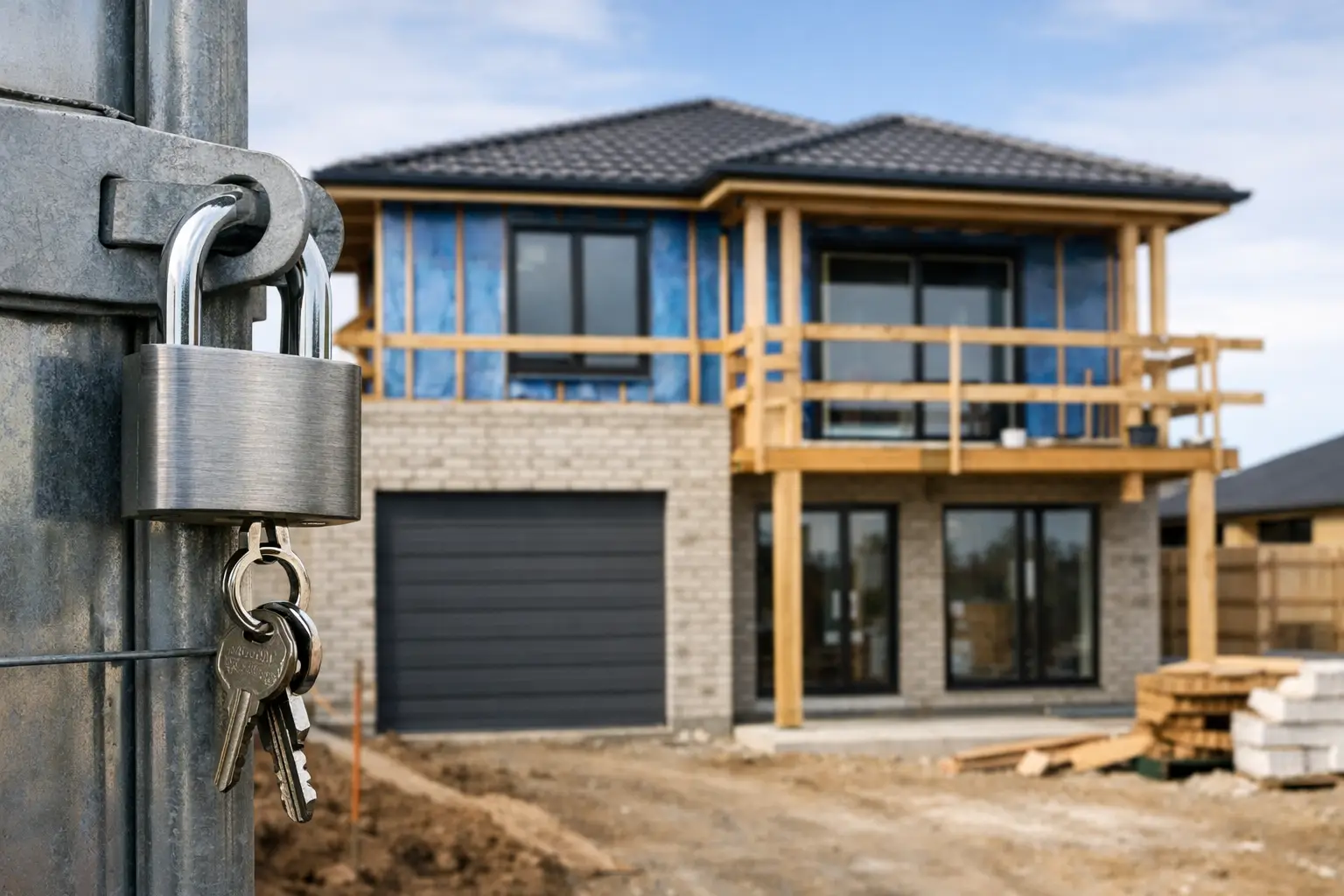
In residential construction, lock-up is the point where the external shell of the building is largely closed in. That generally means the frame is up, the roof is on, external doors are installed, windows are in, and the home can be locked. It is a major step because the project shifts from open structure work to internal progress.
What does lock up mean on a building site?
At its simplest, lock-up means the building can be secured. That sounds straightforward, but on site it carries more weight than that. It marks the transition between structural carpentry and the next phase of works, where internal trades can move through a more protected environment.
For builders, lock-up is a scheduling checkpoint. For homeowners, it is often the first moment the project starts to feel like a real house rather than a worksite. The walls, roofline, windows and doors give shape to the finished result, and there is a visible sense of progress.
That said, lock-up is not the finish line. A home at lock-up is still a long way from handover. Services, linings, waterproofing, cabinetry, finishes and fit-off works still sit ahead.
What is usually included in lock-up stage?
What is included can vary a little between builders, contracts and project types, but lock-up stage usually covers the main external enclosure of the home.
In most cases, this includes the wall frames and roof frame being completed, roof covering installed, external cladding or brickwork sufficiently progressed, windows fitted, and external doors hung so the building can be secured. Garage doors may also be installed if they form part of the external envelope.
On some projects, sarking, insulation elements and certain flashing details are already in place by this point. On others, a few external items may still be finishing off around the edges. That is why it is always worth checking what your specific builder defines as lock-up under the contract, rather than assuming every job uses the term the same way.
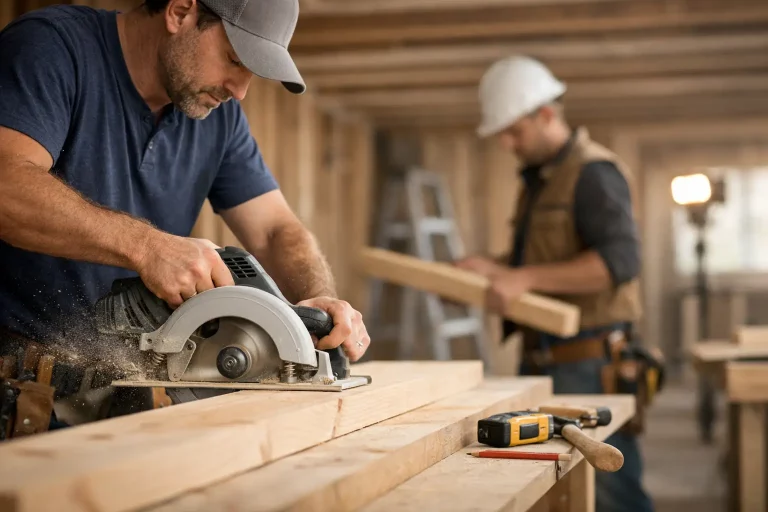
For carpentry teams, lock-up is often one of the most important delivery stages because it demands accuracy early. If frames are out, openings are wrong, or tolerances are poor, those problems show up quickly once windows, doors and cladding begin going in.
Why lock-up matters more than people think
Lock-up matters because it affects both protection and momentum. Once the structure is closed in, materials inside the home are better protected from weather, theft and accidental damage. That gives other trades a more stable environment to work in and helps reduce delays.
It also has financial significance. Many building contracts are structured around stage payments, and lock-up is commonly one of those payment points. For homeowners, that means understanding exactly what has to be completed before this stage is claimed. For builders and site managers, it means ensuring the work meets the agreed standard and scope before moving forward.
There is also a quality factor. A good lock-up stage sets the tone for everything that follows. If windows are poorly installed, doors are not square, or the external shell is not properly sealed, it can create headaches later with water ingress, movement, or finishing work.
Lock-up stage vs fixing stage
People often confuse lock-up with fixing, especially if they are not in the industry. The difference is important.
Lock-up is about securing and enclosing the building. Fixing comes after that and usually refers to internal carpentry and finishing elements such as skirting, architraves, internal doors, shelving, cabinetry components and other detailed trim work.
So if a project is at lock-up, the big structural and external enclosure work is largely done, but the finer internal detail has not started or is only just beginning. In a standard build sequence, you would usually see slab, frame, lock-up, fixing, then fit-off and completion stages, although wording can vary slightly from one contract to another.
What homeowners should expect at lock-up
For homeowners, lock-up can feel like a major emotional milestone. You can walk through spaces that now look recognisable. Room sizes make sense. Natural light becomes easier to judge. The renovation or new build starts to feel less abstract.
But it is also a stage where expectations need to stay realistic. Lock-up does not mean the site is tidy, complete or ready to move into. You may still see exposed framing internally, incomplete external detailing, temporary protections and unfinished thresholds. That is normal.
The best thing a homeowner can do at this point is ask practical questions. Are all windows and external doors installed? Is the roof fully covered? Is the building actually weather resistant? What external items are still pending? If a progress claim has been issued, does it line up with the contract definition of lock-up?
Clear answers here can prevent confusion later.
What builders look for at lock-up stage
For builders and site supervisors, lock-up is not just about whether a key turns in a door. It is about readiness for the next trades and confidence in the enclosure.
That means checking that framing dimensions have been followed, openings are correct, doors and windows are installed properly, and external elements line up with the drawings and specifications. It also means looking ahead. If plasterers, electricians, plumbers or insulation installers are about to enter the site, is the project genuinely ready for them?
This is where reliable carpentry teams make a real difference. Lock-up carpentry is one of those stages that can either keep a build moving or quietly create delays if the basics are off. Precision matters because later trades depend on it.
Common misunderstandings about lock-up
One common misunderstanding is that lock-up means fully waterproof. In reality, it usually means the building is substantially enclosed and protected, not that every final sealing detail or external finish is complete.
Another is that lock-up looks the same on every project. It does not. A brick veneer home, a townhouse development and a major extension can all reach lock-up differently depending on the design, materials and contract wording.
There is also the assumption that lock-up means all external works are done. Often they are not. Pergolas, decks, landscaping, driveways and some facade details may sit outside this stage entirely.
That is why plain language matters. If everyone on the project uses the term but means something slightly different, disputes are more likely. A good builder keeps the definition clear from the start.
If you are planning a renovation or extension
Lock-up matters just as much on a renovation or extension as it does on a new build, and in some ways more. On alteration work, getting to lock-up quickly can reduce exposure to weather and disruption to the existing home.
If part of the house is being opened up, extended or structurally changed, the speed and quality of the lock-up process can have a big effect on liveability. Families staying in the home during works often feel a real shift once the extension is enclosed and secure.
This is also where coordination counts. Structural carpentry, roofing, windows, doors and cladding all have to line up properly. If one part slips, the whole stage can drag. For homeowners, that can mean extra stress. For builders, it can mean avoidable program pressure.
The practical answer to what does lock up mean
If you want the practical answer to what does lock up mean, it is this: the building has reached the point where its external shell is sufficiently complete to be secured and protected, allowing internal works to progress.
That definition is simple, but the quality of that stage depends on workmanship, sequencing and clear scope. A proper lock-up stage is not just about ticking a box. It is about setting the rest of the build up properly.
Whether you are a builder managing timelines or a homeowner trying to understand what comes next, lock-up is one of the clearest signs a project is moving forward with structure and purpose. And when it is done well, the next stages tend to run a lot smoother.