Best Carpentry Package for New Builds
A new build can look well planned on paper and still go off track fast once trades hit site. More often than not, the problem is not the design. It is the handover between stages, the gaps in scope, and the difference between what was quoted and what was actually needed. That is why choosing the best carpentry package for new builds matters so much. A good package does more than cover timber work. It helps keep the whole job moving.
For builders, that means fewer delays, fewer call-backs, and less time chasing subcontractors. For homeowners building a custom home, it means clearer expectations and a more predictable result. The best package is not always the cheapest line item. It is the one that gives you proper coverage from frame to fit-off, with reliable people behind it.
What the best carpentry package for new builds should include
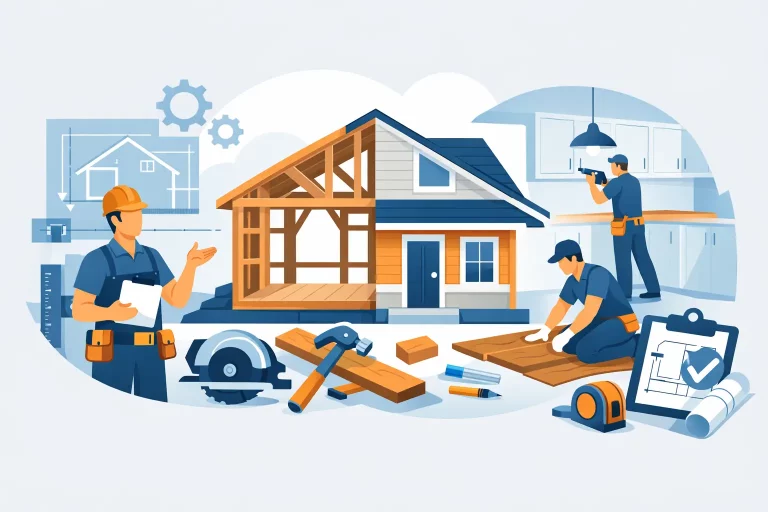
At a minimum, a carpentry package for a new build should follow the actual sequence of the job. In practical terms, that usually means framing, lock-up, fix, and fit-out. If any of those stages are missing, split across too many trades, or left vague in the quote, the risk gets pushed back onto the builder or owner.
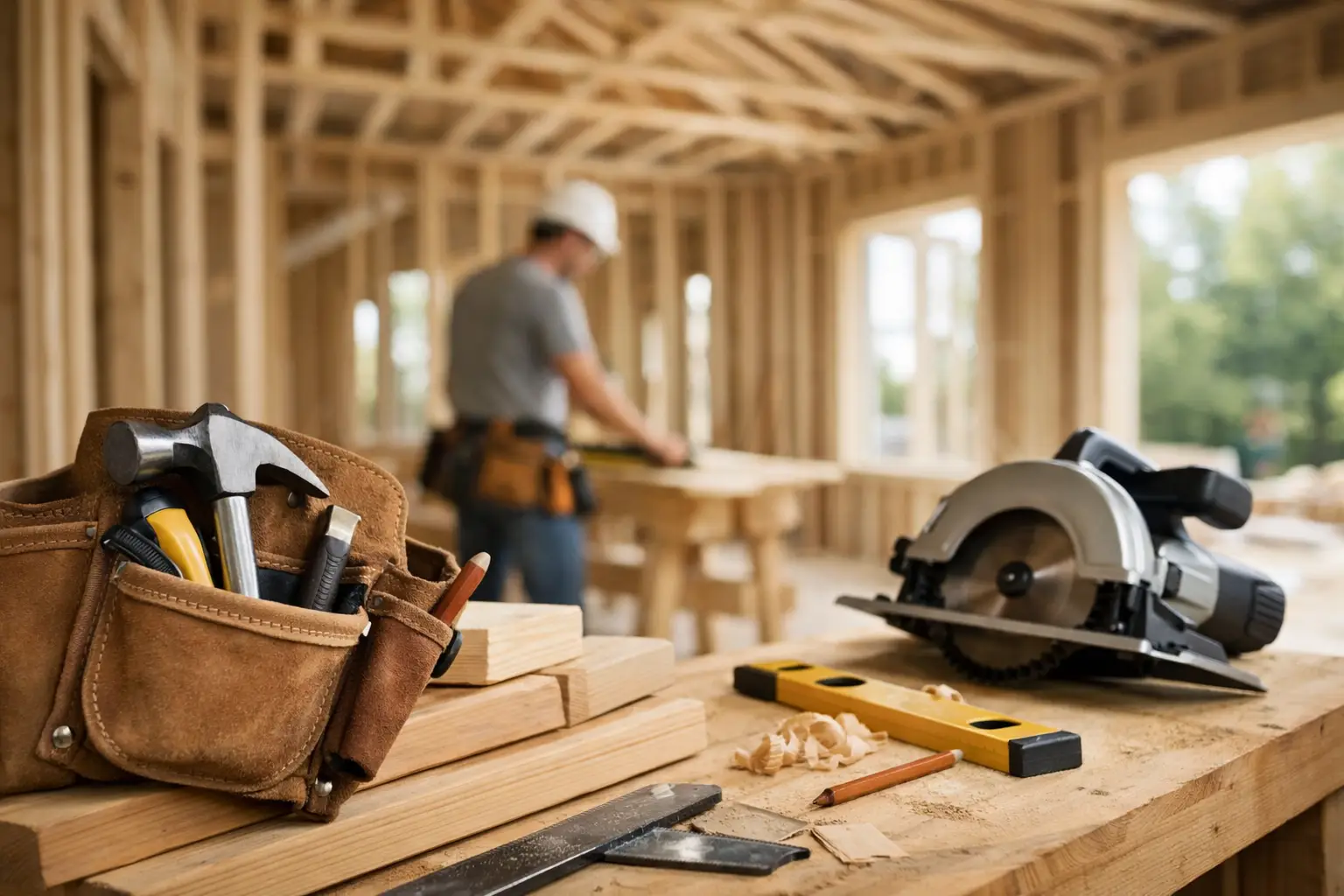
Framing is where the structure starts to take shape, and there is no room for sloppy work here. Wall frames, roof trusses, floor systems, structural bracing, straightness, set-out accuracy – this stage affects every trade that comes after. A strong package covers not just labour, but the planning and coordination needed to make sure the frame is right the first time.
Lock-up is the next major pressure point. This is where external doors, windows, cladding elements, eaves, and other key components come together to make the building secure and weather-tight. If your carpentry team is capable at frame stage but weak on lock-up, you will feel it quickly. Delays stack up, details get missed, and follow-on trades lose time.
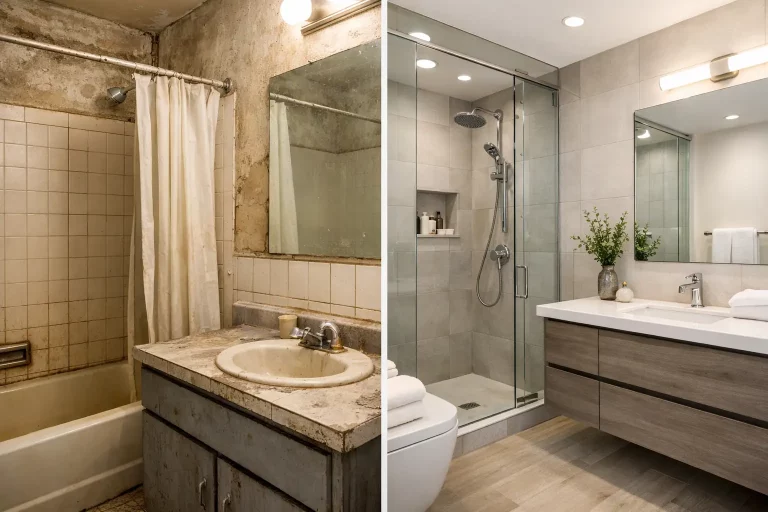
Fix carpentry is where quality becomes visible. Skirtings, architraves, doors, jambs, hardware, stair components, and internal finishing details all need precision. This is also the point where homeowners notice the standard of workmanship most clearly. Poor fix work can make an otherwise solid build look average.
Fit-out can mean different things depending on the job. In some projects it includes cabinetry coordination, feature timber work, wall linings, battens, shelving, and other final carpentry elements. In higher-end builds, this stage often needs a team that can work cleanly, communicate well, and maintain finish quality under pressure.
The best package brings all of that together under one accountable trade partner, not a patchwork of separate crews.
Why one full-scope package usually works better
There are exceptions, but most new builds run better when one carpentry team handles the major stages. The reason is simple. Continuity reduces mistakes.
When one team frames the house, they understand the set-out. When that same team returns for lock-up and fix, they already know the job, the details, and the expectations. There is less back-and-forth, less finger-pointing, and less time lost explaining site history to a new subcontractor.
Builders tend to feel this value most in programme control. A full-scope package gives you a clearer schedule, fewer moving parts, and a more direct line of responsibility. You are not chasing one crew for frame defects and another for door issues while trying to work out who owns what.
Homeowners feel it differently. For them, the biggest gain is usually peace of mind. They are not managing every technical detail themselves, but they can see when a team is organised, punctual, and consistent across the build.
That said, full-scope is only better if the contractor is genuinely equipped to deliver all stages well. Some teams are strong on frames and average on finishes. Others do tidy fit-out work but struggle with structural pace on larger sites. The package only works if the capability matches the promise.
How to compare packages properly
A lot of quotes look similar until you read the fine print. The best carpentry package for new builds is not just about what is priced. It is about what is clearly included, what is excluded, and how the contractor intends to run the work.
Start with scope clarity. If a quote says lock-up included, what does that mean exactly? Does it cover eaves, cladding support, external fixings, soffits, door installs, window reveals, and weatherboard details where relevant? Broad headings are not enough. Vague scope often turns into variation disputes later.
Next, look at sequencing and labour capacity. Can the contractor actually resource the project from start to finish, or are they pricing the whole package and planning to juggle crews depending on availability? A well-priced package is no bargain if it leaves your site idle.
You should also look at communication. This gets overlooked because it sounds less tangible than workmanship, but it has a direct impact on delivery. The better carpentry teams are clear about lead times, site readiness, variations, and hold-ups. They do not disappear when problems come up. They flag them early and deal with them properly.
Then there is finish quality. Structural carpentry and finishing carpentry are different disciplines, even when handled by the same crew. Ask whether the team has experience with the standard your build requires. A straightforward investment build and a custom architectural home need different levels of detail and supervision.
The trade-offs builders and homeowners should understand
There is no single package that suits every project. It depends on the build type, timeframe, complexity, and budget.
For volume-style or investment builds, speed and consistency often matter most. You need a team that can hit programme milestones without constant oversight. In that case, the best package may be one that is highly systemised, with strong site coordination and dependable quality across repeated details.
For custom homes, duplexes, and high-spec builds, flexibility matters more. There are usually more design details, more client changes, and tighter tolerances. Here, the best package may cost more upfront because it includes closer supervision, better finish capability, and stronger communication through each stage.
For homeowners building their own home, transparency is often the deciding factor. A cheaper package can look attractive until exclusions start appearing. If a quote leaves too much open to interpretation, you are carrying more risk than you think.
Price still matters, of course. But carpentry touches structure, presentation, and trade coordination all at once. Saving a small amount on the package can cost far more in delays, defects, or rework.
Signs you are dealing with the right carpentry partner
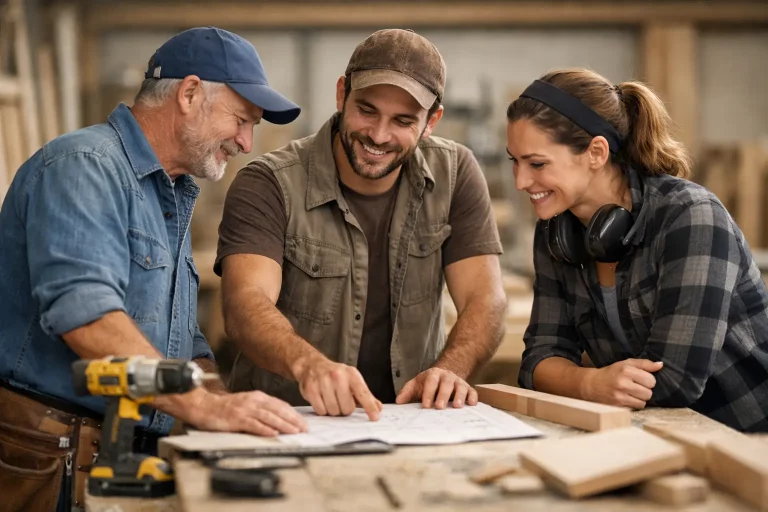
A reliable carpentry contractor does not need to overcomplicate the pitch. They can explain the scope clearly, talk through site sequencing, and be upfront about what they need from the builder or owner to keep the job moving.
They also understand that being good on the tools is only part of the job. On new builds, follow-through matters just as much. Turning up when scheduled, maintaining quality under deadlines, keeping site communication clean, and resolving issues quickly are what separate a dependable trade partner from a risky one.
In Melbourne’s south east, where timelines, access, and subcontractor coordination can vary across estates, knockdown rebuilds, and infill sites, that reliability becomes even more valuable. A team that can adapt to different project conditions without dropping standards is worth holding onto.
This is where full-scope providers such as Scotia Construction tend to stand out. The value is not only in covering frames, lock-up, fix, and fit-out. It is in delivering those stages with the same standard of workmanship and accountability from start to finish.
Choosing the best carpentry package for new builds
If you are comparing options, the smartest question is not who can do the carpentry cheapest. It is who can carry the carpentry load properly across the whole build.
Look for a package that follows the actual build sequence, defines the scope clearly, and is backed by a team with enough capacity and experience to deliver without excuses. Make sure the contractor can handle both structural work and visible finishes to the standard your project needs. And pay attention to how they communicate before the job starts, because that usually tells you how they will behave once the pressure is on.
The right carpentry package gives a new build more than timber and labour. It gives the project rhythm, accountability, and a better chance of finishing the way it was meant to.