Bathroom Renovation Before After Results
Most bathroom renovation before after photos look like a simple style upgrade. New tiles, a fresh vanity, better lighting, done. But the real difference usually starts well before the finishes go in. A bathroom that feels bigger, works better and lasts properly is almost always the result of good planning, sound trade work and clear decisions made early.
That matters because bathrooms are one of the hardest-working rooms in the house. They deal with moisture, daily traffic, storage pressure and wear that shows up fast when the job has been rushed. A good before-and-after transformation is not just about making the room look modern. It is about fixing what was not working in the first place and building it properly so the result still feels solid years later.
What makes a bathroom renovation before after feel dramatic
The strongest before-and-after changes are not always the most expensive ones. They are the ones that solve obvious pain points. That might mean replacing a cramped layout, improving ventilation, getting rid of poor lighting or swapping awkward storage for something practical.
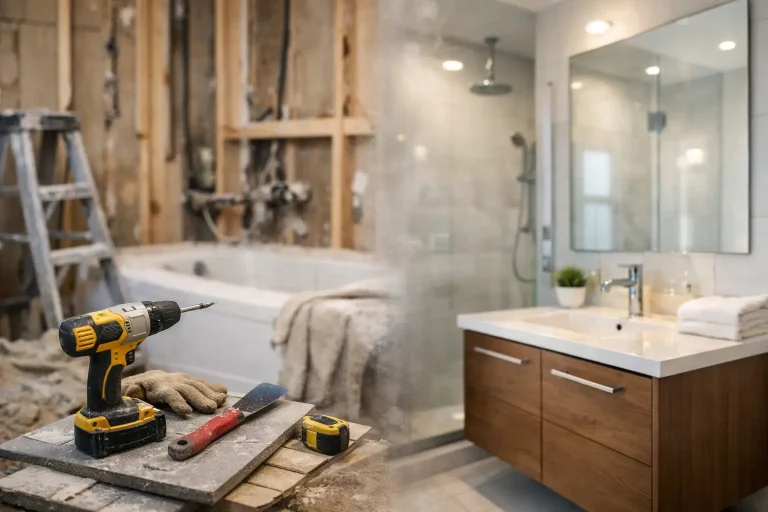
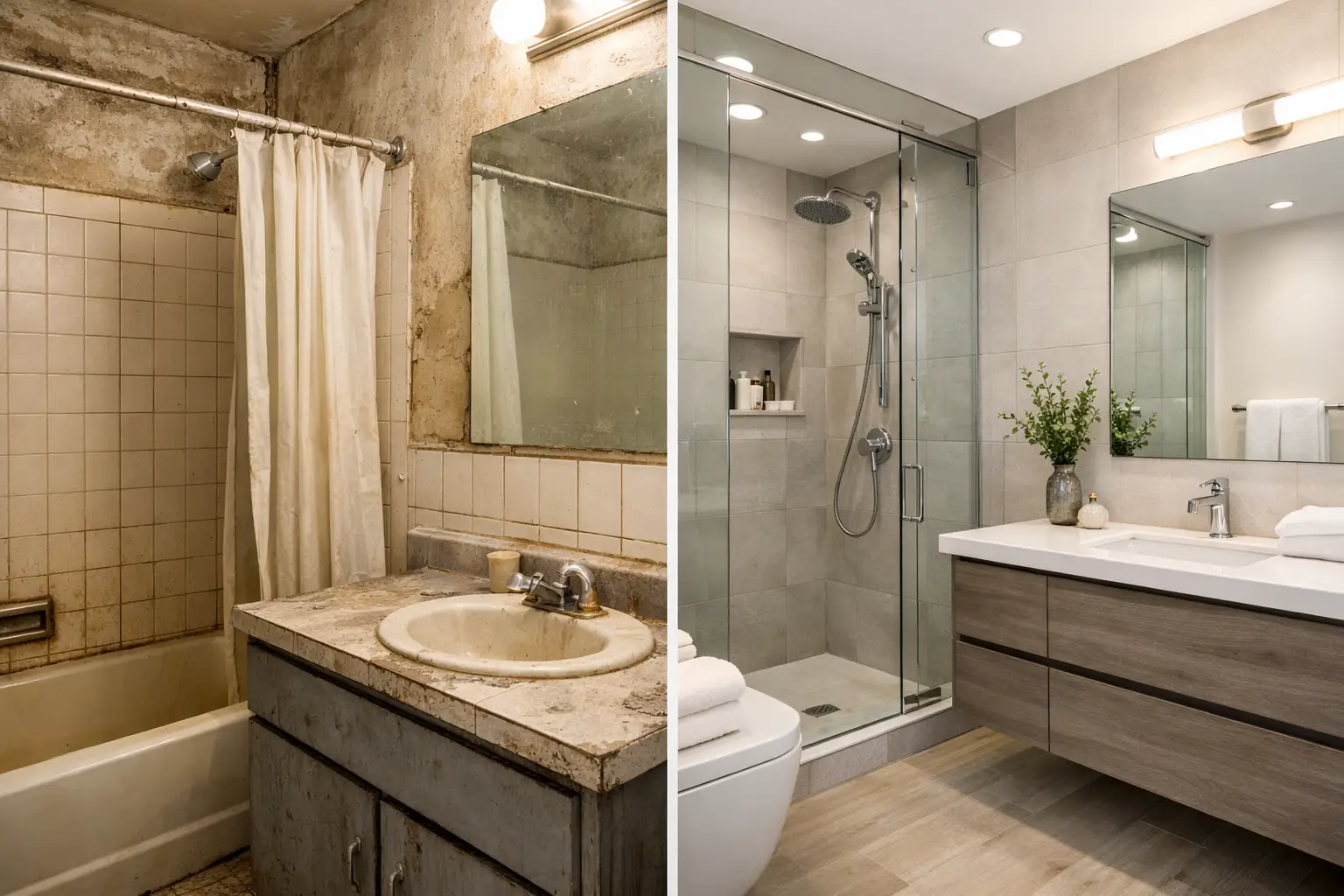
In older homes, the “before” bathroom often has a few common issues working against it at once. Small mirrors make the room feel tighter. Oversized shower screens cut up the space. Dark finishes absorb light. Floor plans waste corners. Sometimes the room is technically functional, but every part of it feels harder to use than it should.
The “after” works because it removes friction. A wall-hung vanity can open up floor space. A walk-in shower with a fixed panel can make the room feel less boxed in. Better lighting around the mirror changes how the whole room reads. Even moving a niche, a towel rail or the door swing can improve the day-to-day experience more than people expect.
Before the tiles: what usually needs fixing first
A bathroom can look tired on the surface, but cosmetic updates alone will not solve deeper problems. This is where many renovations either hold their value or create trouble later.
Waterproofing is one of the big ones. If the existing bathroom has signs of moisture damage, failed grout, swollen skirtings in adjoining rooms or mould that keeps returning, the issue is rarely just visual. Proper preparation, substrate repair and compliant waterproofing matter more than the exact tile selected.
Plumbing also shapes the outcome. Keeping fixtures in the same position can help control costs, but it is not always the best move if the layout is poor. Moving a shower, toilet or vanity may be worth it if it dramatically improves function. The trade-off is straightforward: better layout usually means more labour and a higher budget.
Electrical work has a similar impact. A bathroom with one central light and no task lighting will always feel flat, even with premium finishes. Adding practical lighting, heating, exhaust fans or power where it is actually needed often makes the after result feel far more complete.
Bathroom renovation before after: layout matters more than trends
Trends get attention, but layout does the heavy lifting. A bathroom that flows well will still feel right when colour preferences change. A badly planned room with fashionable finishes can still be frustrating every single morning.
A lot depends on the size and shape of the room. In a compact bathroom, keeping sightlines open is usually more effective than adding features. That could mean a frameless or semi-frameless shower screen, larger tiles to reduce visual breaks, or a floating vanity that gives the room more breathing space.
In a family bathroom, storage and durability often matter more than a statement look. Drawers tend to outperform cupboards for daily use. Bench space near the basin is worth protecting. Easy-clean surfaces can save ongoing effort, especially in busy homes.
In an ensuite, the priorities can shift. Homeowners may want a more refined look, stronger lighting around the mirror and a layout that feels calm rather than purely practical. The best result comes from understanding how the room will actually be used, not from copying a showroom display.
Materials can lift the after – or date it quickly
Finishes are where people tend to get excited, but this is also where rushed choices can weaken the whole project. The safest approach is not boring. It is balanced.
Tiles set the tone of the room, but they also affect maintenance and how spacious the bathroom feels. Large-format tiles can make a smaller room feel cleaner and less busy, although they need careful set-out. Feature tiles can add personality, but too many competing patterns can shrink the space visually.
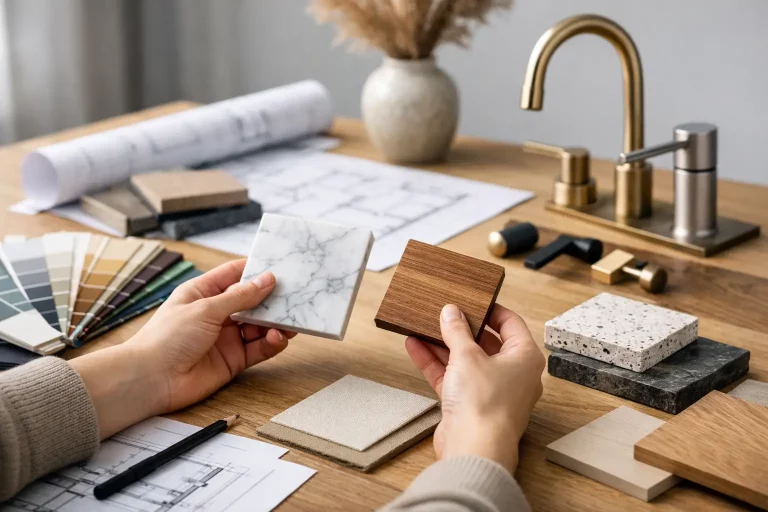
Vanities, tapware and mirrors should work together rather than fight for attention. Timber-look joinery can warm up a bathroom that would otherwise feel cold. Matte black tapware can look sharp, but it may show marks more readily depending on the product and the water quality. Brushed nickel and chrome often age more quietly. It depends on the look you want and how much maintenance you are comfortable with.
Stone, porcelain and laminate all have their place for benchtops and vanity surfaces. The right choice comes down to budget, wear and the level of finish the project calls for. There is no point selecting premium materials if the installation and detailing are not up to the same standard.
The budget question behind every before and after
Most homeowners want a visible transformation without spending more than they need to. That is reasonable. The key is knowing where savings make sense and where they usually backfire.
Retaining the existing layout can reduce plumbing costs. Choosing quality mid-range fixtures instead of top-end imported products can also free up budget without hurting the final look. The same goes for simplifying custom joinery if standard sizes suit the room.
Where people get caught is cutting back on the parts they do not see once the room is finished. Waterproofing, preparation, drainage falls, substrate repairs and reliable installation are not glamorous line items, but they are the parts that protect the investment. A bathroom can photograph well on handover day and still fail early if those basics have been compromised.
A smart budget is less about the cheapest path and more about putting money where it changes performance, durability and daily use.
Why professional coordination shows in the final result
A bathroom is a small room with a lot happening in it. Demolition, carpentry, plumbing, electrical, waterproofing, tiling, glazing, painting and fit-off all need to happen in the right sequence. That is why the best before-and-after outcomes tend to come from organised project management, not just good product choices.
Good coordination reduces delays, keeps quality consistent and helps avoid the common problem of one trade inheriting a bad setup from the previous one. It also makes communication easier for the client. Instead of chasing updates or trying to solve trade issues themselves, they can focus on making decisions and understanding the timeline.
For homeowners in Melbourne’s south east, that reliability matters just as much as the finish. A renovation is disruptive enough without poor scheduling, vague answers or preventable mistakes. Teams like Scotia Construction build trust by doing the basics well – showing up, communicating clearly and delivering work that holds up.
How to judge a real before-and-after transformation
When you look at bathroom renovation photos, it helps to look beyond style. Ask what actually changed. Did the layout improve? Is there better storage? Does the lighting seem more considered? Were problem areas likely addressed, or does it look like a surface refresh?
A real transformation usually has a few signs. The room feels easier to move through. Fixtures are placed logically. The finishes suit the size of the space. Nothing looks forced in. The end result feels calm, practical and properly resolved.
That is the difference between a bathroom that simply looks new and one that genuinely works better. The best renovations do both.
If you are planning your own project, start with the problems, not the Pinterest board. Once you are clear on what needs fixing, the before-and-after result tends to take care of itself.