Renovation vs Extension Costs: What to Expect
If you are weighing up renovation vs extension costs, the real question usually is not just which one is cheaper. It is which option gives you the space, function and long-term value you actually need without turning the build into a drawn-out headache. On paper, a renovation can look like the budget-friendly choice. In practice, once you open walls, move plumbing or deal with an older structure, the numbers can shift quickly.
That is why this decision needs a bit more than a rough square metre rate. The right choice depends on how your home is built, what needs to change, and whether you are trying to improve the way the house works or simply create more room.
Renovation vs extension costs: the real difference
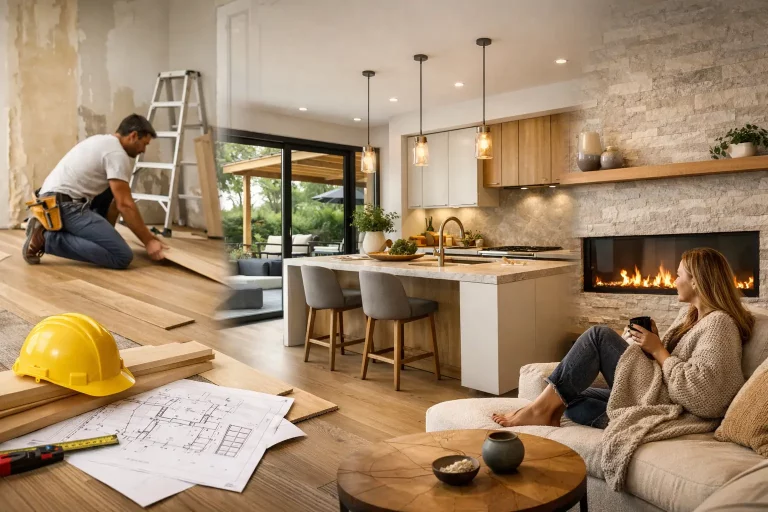
A renovation works within the existing footprint of the home. You are reconfiguring, upgrading or rebuilding spaces you already have. Think kitchens, bathrooms, internal walls, structural alterations, better storage, or opening up living areas.
An extension adds new floor area. That might mean pushing out the back of the house, adding a new living zone, creating another bedroom, or extending to suit a growing family.
The key cost difference is simple. Renovations often cost less overall because you are not always adding as much built area, but they can be more unpredictable. Extensions usually cost more in total because you are building more, but the scope can sometimes be clearer from the start.
That trade-off matters. A renovation may save money if the house already has good bones and enough room to rework. An extension may deliver better value if the current layout is too tight and any serious fix still leaves you short on space.
Why renovations can be cheaper, until they are not
A straightforward renovation avoids some of the costs that come with expanding the home. You may not need as much excavation, slab work, roofing, external cladding or drainage. If you are updating finishes and improving layout within the existing shell, that can keep the budget under better control.
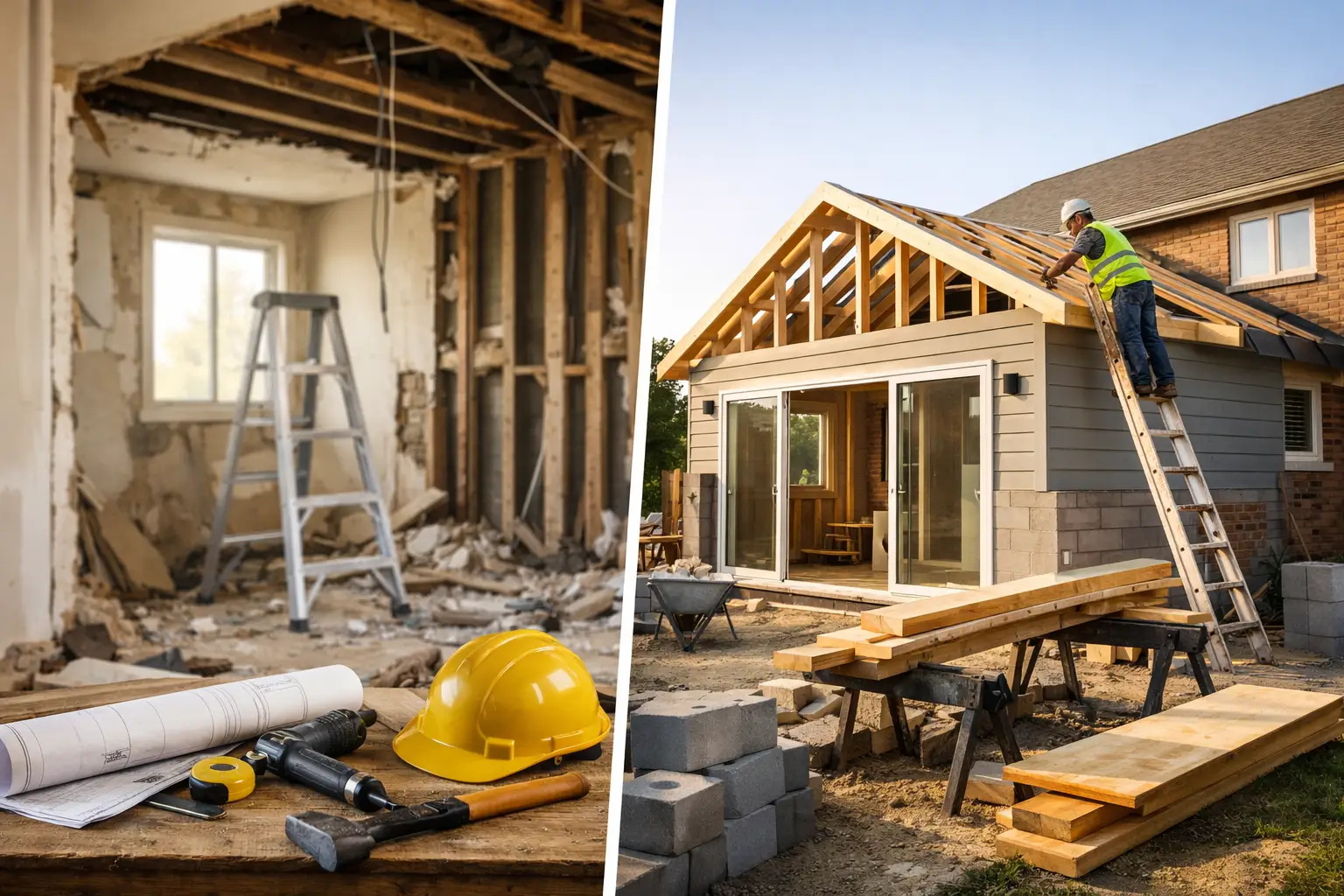
But older homes have a habit of hiding things. Once demolition starts, it is not uncommon to find uneven framing, outdated wiring, water damage, termite issues or structure that does not meet current expectations. None of that is unusual, but all of it affects cost.
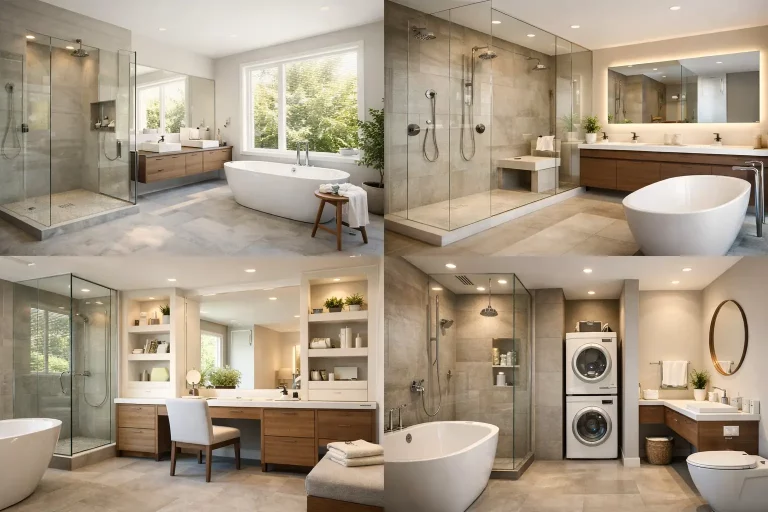
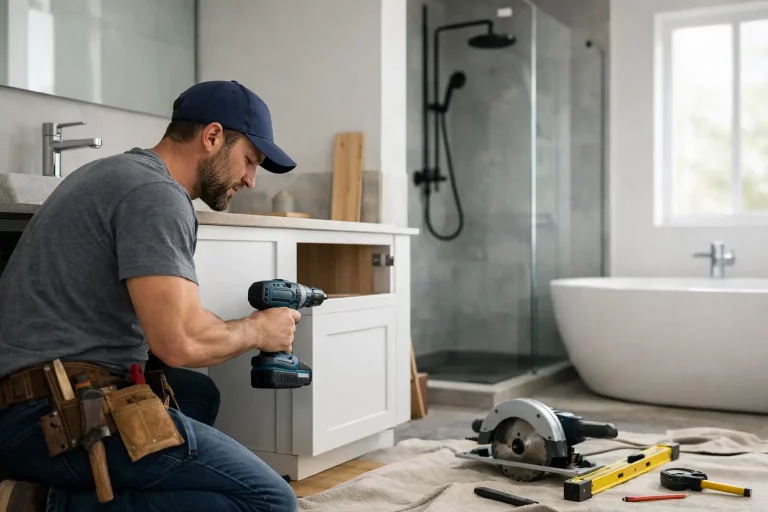
Bathrooms and kitchens are good examples. They are smaller spaces, yet often expensive to renovate because they pack in plumbing, waterproofing, joinery, tiling, electrical work and fixtures. If the room needs to be moved rather than simply refreshed, the price climbs again.
This is where homeowners sometimes get caught. They compare a cosmetic renovation budget with an extension budget, when the renovation they actually need is structural. Those are very different jobs.
Why extensions cost more upfront
An extension usually has a higher starting point because you are creating new structure from the ground up. That includes footings, framing, roofing, insulation, windows, external finishes and all the services that support the new space.
There are also design and approval costs to consider. Depending on the size and type of extension, you may need planning input, engineering, permits and more detailed documentation. Site access can affect price as well. A tight block, limited side access or a sloping site can make labour and materials handling more difficult.
That said, extensions can be the cleaner solution when the existing home simply does not fit the way you live. If you need another bedroom, a larger family room or a more practical indoor-outdoor connection, trying to force that outcome through internal renovation alone can become expensive and compromised.
A well-planned extension can also reduce the need to move house, which is worth factoring in. Stamp duty, agent fees, moving costs and the hassle of starting again in a new suburb are real costs too.
What actually drives the budget
The cost of either option is shaped less by the label and more by the scope. Size matters, but so do complexity, finishes and structural demands.
Layout changes are a major cost driver in renovations. Moving a non-loadbearing wall is one thing. Removing structural walls, installing beams or reworking ceiling lines is another. If plumbing and electrical services need to be relocated across the house, expect more labour and more coordination.
For extensions, the biggest drivers are often site conditions, structural integration with the existing house, and the level of finish. Joining new work neatly into an older home is skilled work. Floors need to line up, rooflines need to make sense, and the transition should feel intentional rather than tacked on.
Selections also change the picture quickly. Basic finishes and standard fixtures will keep things steadier. Custom joinery, stone surfaces, feature lighting, large-format glazing and high-end fittings will push either type of project up.
Then there is project management. A build that is well planned from the outset usually performs better on cost than one with unclear scope, repeated design changes or trades trying to work around poor coordination.
When a renovation makes more sense
If your home already has enough square metreage but the layout is dated or inefficient, a renovation is often the smarter move. Many homes have underperforming spaces such as closed-off kitchens, oversized hallways, awkward laundries or living areas that do not suit modern family life.
In those cases, improving flow can deliver a big change without the cost of adding floor area. Opening up the kitchen and living zone, upgrading a bathroom, improving storage and making better use of natural light can make the house feel completely different.
Renovation also makes sense when preserving the existing character of the home matters. If the street presence is strong and the structure is sound, working with what is there can protect charm while still making the home more liveable.
The caution is this: if you are spending heavily to rearrange a house that will still be too small when finished, the money may not go as far as you hoped.
When an extension is worth the extra spend
An extension tends to stack up when the missing piece is actual space. Growing families often reach the point where no amount of internal shuffling will create the extra bedroom, second living area or larger entertaining zone they need.
This is especially true when the goal is to improve lifestyle, not just presentation. Better connection to the backyard, more room for kids, a proper master suite or an extra bathroom can change how the whole house functions day to day.
In parts of Melbourne’s south east, where many owners would rather improve than relocate, an extension can be a practical long-term investment. It lets you stay in an area you know while building a home that suits the next stage of life.
The main thing is to make sure the extension solves the right problem. More space only pays off when it is planned well and integrated properly with the existing home.
How to compare renovation vs extension costs properly
The best way to compare options is not to ask, which is cheaper per square metre? It is to ask, what outcome am I paying for?
Start with the non-negotiables. Do you need more floor area, or does the existing house just need to work better? Are there structural or maintenance issues that have to be addressed either way? How long do you plan to stay in the home? And how much disruption can your household realistically handle?
Then compare each option on total project cost, likely contingency, approval requirements, timeline and end result. A cheaper renovation that leaves key problems unsolved is not really cheaper. A more expensive extension that avoids a future move and makes the house function properly may be better value.
This is where clear advice matters. An experienced builder or renovation specialist should be able to look at your home, understand the constraints, and tell you honestly whether the better spend is inside the existing footprint or beyond it. That sort of guidance saves people from overcapitalising in the wrong direction.
The cost you should not ignore
Budget matters, but certainty matters too. One of the biggest stress points in any project is not knowing what is coming next – on cost, timeline or site conditions.
That is why planning, documentation and communication are not extras. They are part of cost control. Whether you are renovating or extending, the smoother jobs usually come from realistic scoping, solid workmanship and trades who turn up, communicate clearly and do what they said they would do.
If you are choosing between the two, focus on value rather than headline price. The right project is the one that improves how your home lives, holds up over time, and gets delivered properly the first time.