What Adds Value in Home Renovations?
When people ask what adds value in home renovations, they usually mean one of two things. They either want a better sale price later, or they want to spend money now and feel the difference every day they live there. The best renovations do both.
That is where plenty of projects go off track. A renovation can look impressive on handover and still do very little for the home’s actual value. On the other hand, a well-planned upgrade can make a place easier to live in, cheaper to maintain and more appealing to future buyers without chasing trends that date quickly.
What adds value in home renovations most often
Value is not only about adding the most expensive finishes. In most homes, real value comes from improving function, fixing weak points and making the layout work harder. Buyers notice quality, but they also notice whether a space makes sense.
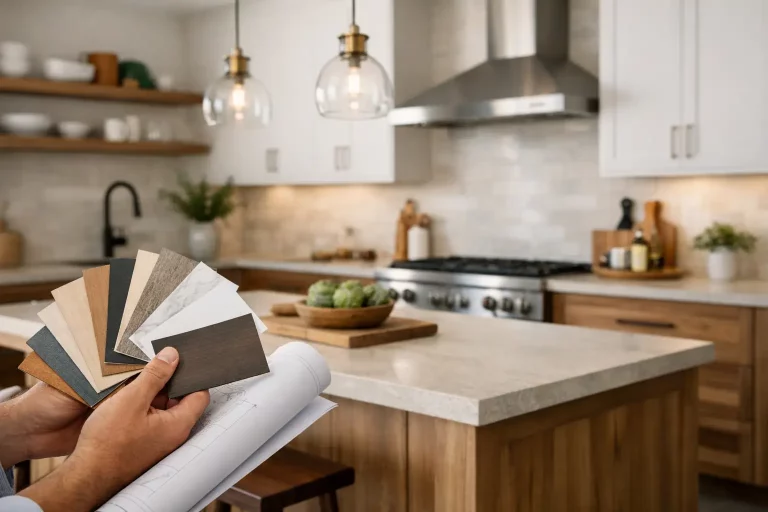
Kitchens and bathrooms still sit near the top because they are high-use spaces and costly to replace. If they feel tired, cramped or poorly built, the whole house can feel behind. But that does not mean every kitchen needs stone everywhere and every bathroom needs luxury fittings. A clean, practical upgrade with durable materials often performs better than an overdone fit-out that blows the budget.
Layout matters just as much. Opening up a dark, disconnected living area, creating better flow to the backyard or adding a second bathroom in the right home can shift how the property is perceived. People pay more for homes that feel easier to live in.
Storage is another one that gets overlooked. Built-in joinery, better robes, smarter laundry storage and practical kitchen cabinetry all add everyday value. They make a house feel considered rather than patched together.
Start with the parts of the home people use hardest
A renovation adds the most value when it improves the spaces that take the most wear. That is why kitchens, bathrooms and living areas tend to deliver stronger returns than cosmetic updates in rooms people barely use.
Kitchens that improve daily use
A valuable kitchen renovation is rarely about showing off. It is about making cooking, cleaning and storage more efficient while keeping the finish level consistent with the rest of the home.
Good cabinetry, practical bench space, durable surfaces and a layout that avoids bottlenecks will usually outperform flashy inclusions that are expensive to maintain. If the kitchen connects better with dining or outdoor areas, that can also lift the home’s appeal, especially for families.
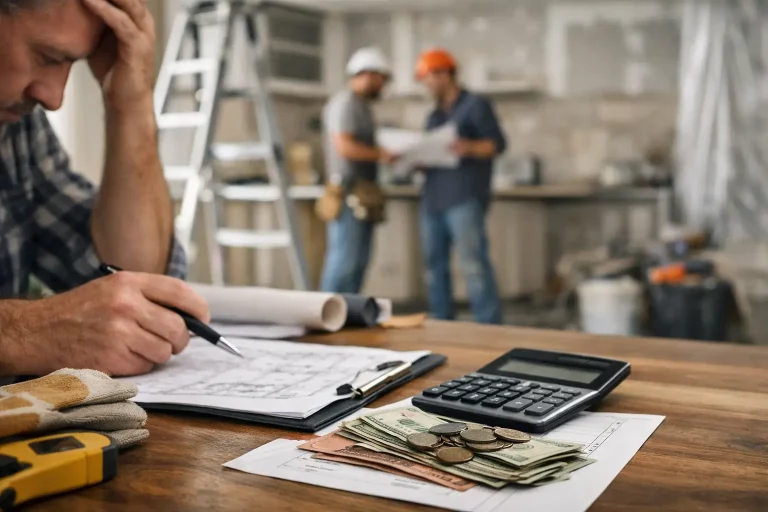
There is still a balance to strike. Overspending on premium appliances or highly customised features may not come back at sale time if the surrounding home does not support that level of finish. The smartest kitchen upgrades are the ones that feel right for the property and suburb, not the ones with the biggest invoice.
Bathrooms that feel solid and well planned
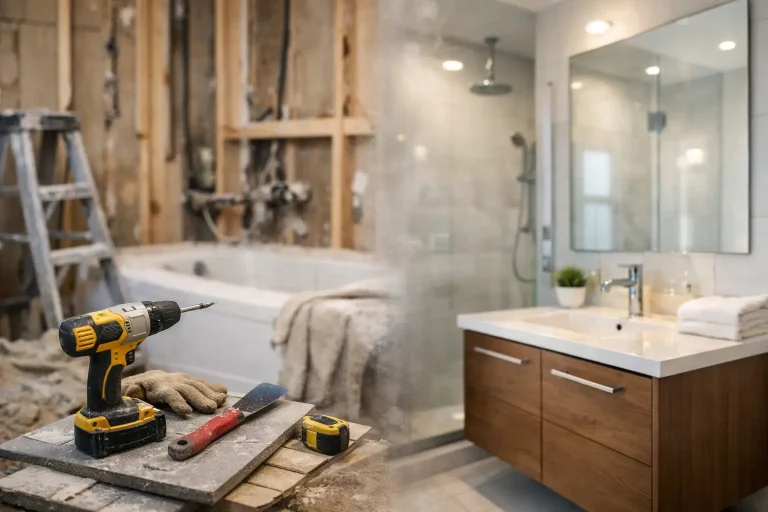
Bathrooms add value because buyers know they are disruptive and expensive to redo properly. A bathroom that feels waterproofed, ventilated and built with care gives people confidence.
That matters more than chasing a luxury hotel look. Tiling, drainage, storage, lighting and durable fixtures all count. If the layout works, the room feels clean and there is enough storage, the renovation usually earns its keep.
Adding a second bathroom or upgrading an ensuite can be especially worthwhile in family homes. It solves a practical problem, and practical improvements are often where the value sits.
Layout changes can outperform cosmetic upgrades
Fresh paint and new flooring help, but they do not fix a poor floor plan. Some of the best value in home renovations comes from changing how the home works rather than just how it looks.
If a house has chopped-up living zones, poor connection between kitchen and family spaces, or no clear path to outdoor areas, structural changes can make a major difference. Removing the right wall, widening an opening or reworking circulation can make an older home feel bigger without adding a single square metre.
Extensions can also add value, but only when the extra space solves a real need. An additional bedroom, a better main living zone or a properly integrated rear extension can lift both function and market appeal. A poorly planned add-on that steals natural light or creates awkward transitions can do the opposite.
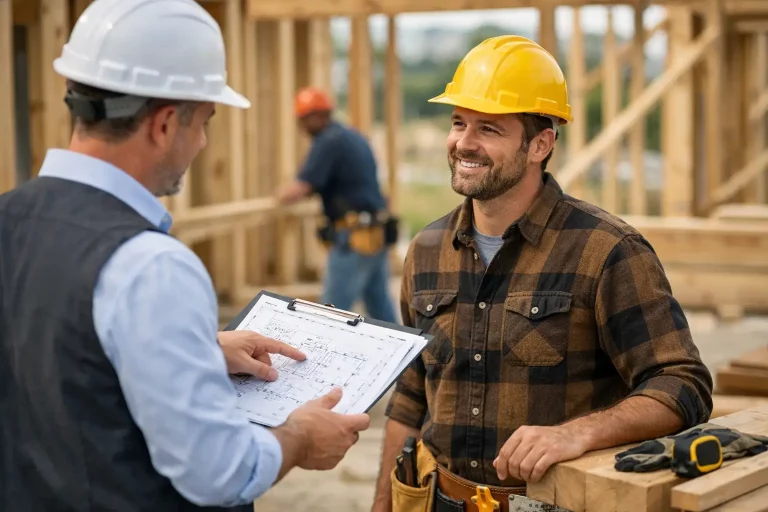
This is where good carpentry and project planning matter. Structural work has to be done properly, and the finished result has to feel like it belonged there from the start.
Outdoor living counts more than it used to
In many Melbourne homes, outdoor areas are no longer a bonus. They are part of how people live. A deck, pergola, covered entertaining area or better connection from inside to outside can add genuine value because it increases usable living space.
The key is integration. A beautiful deck at the back of the block will not carry the same value as an outdoor area that flows naturally from the kitchen or living room. Good sightlines, practical access and weather protection all matter.
Landscaping helps too, but hard-wearing construction usually does more for value than decorative features alone. People want outdoor spaces they can actually use, not just look at.
Energy efficiency and comfort are becoming harder to ignore
Not every value-adding renovation is obvious at first glance. Insulation, draught reduction, better windows, shading and improved ventilation can all make a home cheaper to run and more comfortable year-round.
These upgrades may not have the same visual impact as a new kitchen, but they can influence buyer confidence and everyday liveability. In older homes, especially, thermal comfort issues become obvious fast. If a house is freezing in winter and holds heat in summer, buyers and owners feel it straight away.
That said, energy upgrades usually work best when paired with broader renovation work. Doing them during a major update is often more cost-effective than treating them as one-off fixes later.
Quality workmanship adds value that people can feel
A lot of renovation value comes down to trust. When a home feels well built, people notice. Doors close properly, cabinetry lines up, finishes are neat, transitions are clean and nothing feels rushed.
This is one area where cutting corners can quietly cost a lot. Cheap finishes and poor installation may look acceptable in photos, but they date faster, wear out sooner and create doubt. Buyers may not name every defect, but they pick up on the overall standard quickly.
For homeowners staying long term, quality workmanship also means fewer repairs, less frustration and better durability. That is real value, even if it does not show up as a line item on a resale appraisal.
Not every renovation adds equal value
Some projects improve lifestyle more than resale, and that is not necessarily a bad thing. If you plan to stay for years, it can make sense to spend on features that suit your family, even if they are not the strongest return-on-investment play.
Still, it helps to be realistic. Highly personalised finishes, oversized luxury upgrades in modest homes, or converting useful spaces into niche rooms can limit appeal. Removing a bedroom for a giant robe might suit one owner, but it may narrow the buyer pool later.
The same goes for chasing trends. A renovation should feel current, but it should also age well. Neutral, well-resolved finishes with strong function usually hold up better than looks built around whatever is fashionable this year.
The best value comes from a clear plan
The strongest renovation outcomes usually come from getting the basics right first. Fix structural issues, sort the layout, improve wet areas, upgrade storage and invest in workmanship. Once that is covered, cosmetic choices can support the bigger picture instead of carrying the whole job.
For homeowners, that means looking past surface-level inspiration and asking what will actually improve how the home works. For builders, it means understanding that the carpentry and construction quality behind the finish is often what holds the value together.
A good renovation should feel better on Monday morning, not just in listing photos. If the home functions well, looks consistent, and is built properly, the value is usually there.
If you are planning works, the smartest place to start is not with the most expensive idea. It is with the change that solves the biggest problem in the house and solves it properly.