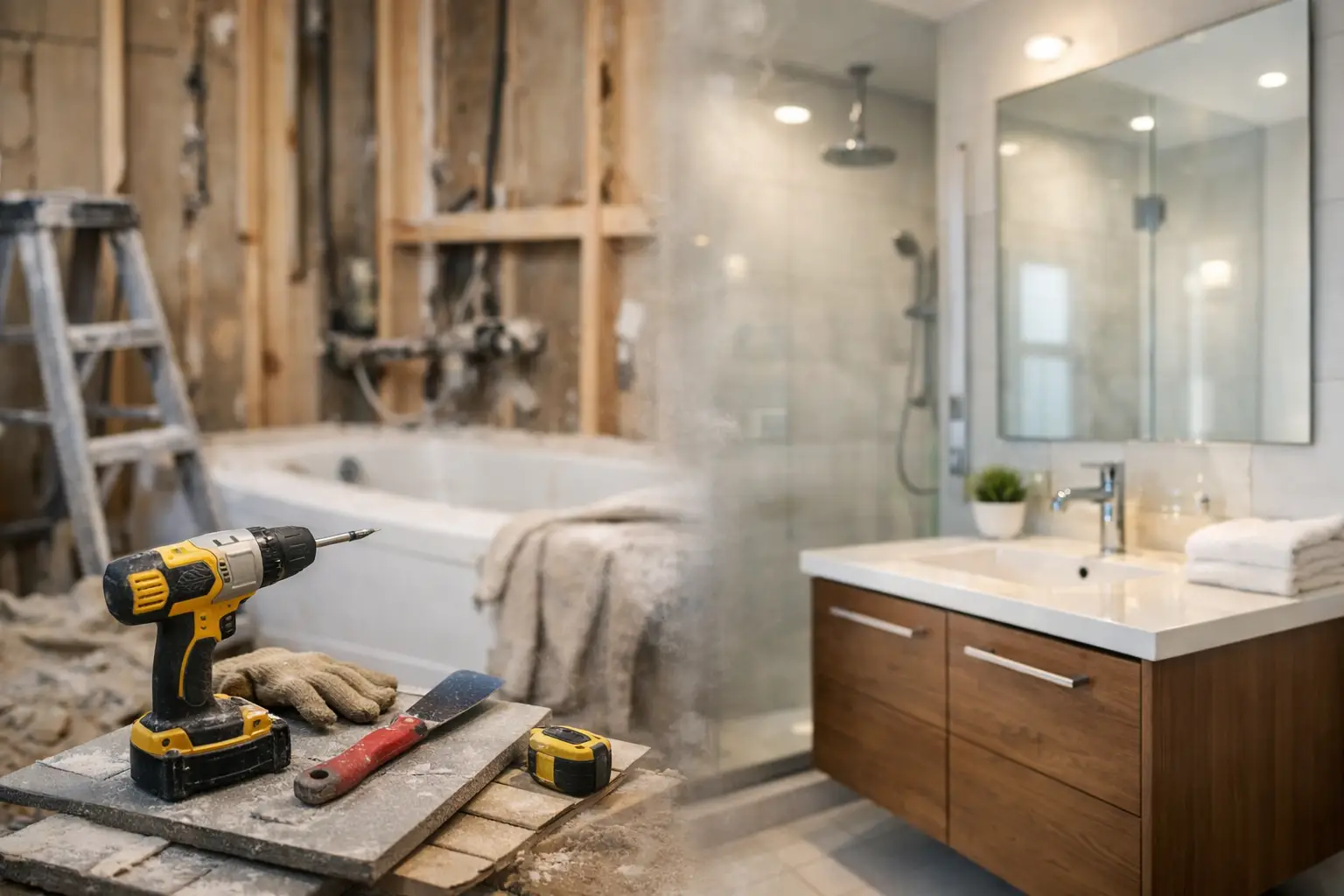
How Long Does Bathroom Renovation Take?
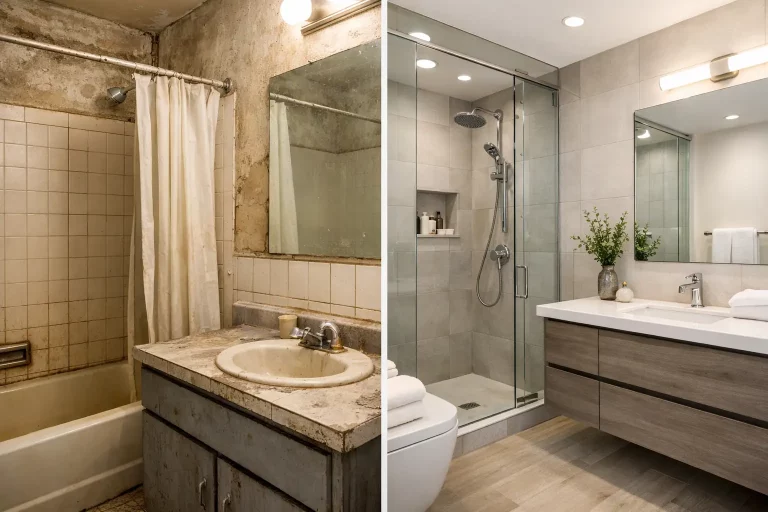
If you are trying to plan family life around tradies, deliveries and a room being out of action, one question matters more than most – how long does bathroom renovation take? The honest answer is usually somewhere between 2 and 6 weeks for construction, but the full process can stretch longer once design, selections, approvals and lead times are included.
That range is not a cop-out. A simple cosmetic update to a well-laid-out bathroom moves much faster than a full strip-out with plumbing changes, custom joinery and waterproofing repairs. The best way to think about timing is in two parts: the pre-construction phase, where decisions and materials are locked in, and the on-site phase, where the bathroom actually gets built.
How long does bathroom renovation take from start to finish?
For most homeowners, the full journey takes 4 to 10 weeks. That includes planning, ordering fixtures and fittings, and the work on site. If all products are in stock and the layout stays largely the same, the build itself can often be completed in around 2 to 3 weeks. If the job involves structural changes, relocated services, or specialty finishes, it is more realistic to allow 4 to 6 weeks on site.
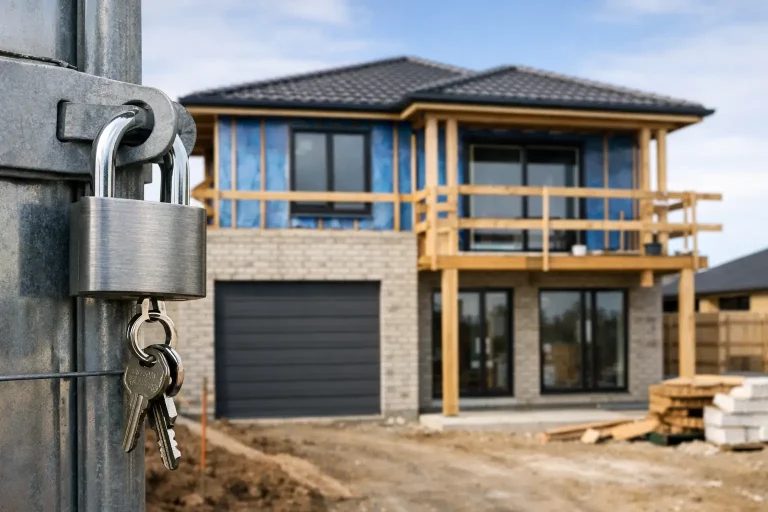
The reason people get caught out is that they only count demolition to handover. In reality, bathroom projects can slow down before the first tile is lifted. A vanity with a long lead time, a custom shower screen, or a late change to tile selection can push the start date back by weeks.
A realistic bathroom renovation timeline
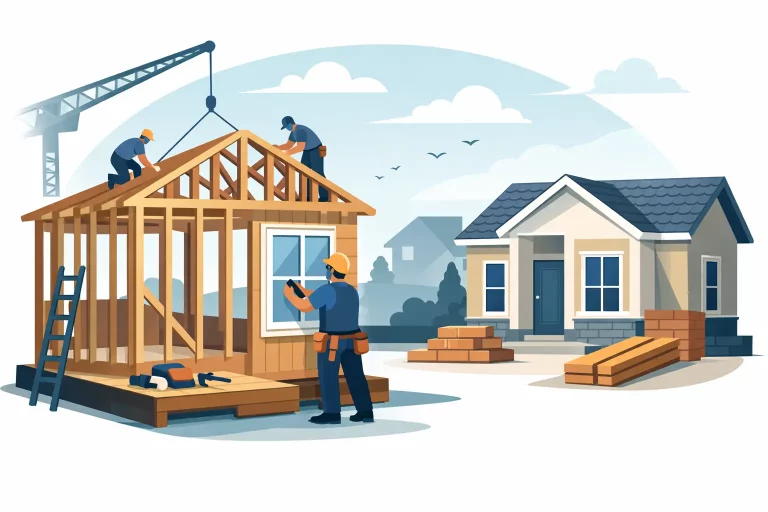
Every project is different, but most bathroom renovations follow the same sequence. Understanding that sequence helps explain where time goes.
1. Planning and selections
This stage often takes 1 to 3 weeks, and sometimes longer if decisions are still being worked through. Measurements are confirmed, the scope is finalised, and fixtures, tiles, tapware, lighting and joinery are selected. If you are decisive and the products are available locally, this can move quickly. If you are comparing dozens of options or waiting on imported items, this stage becomes the first delay point.
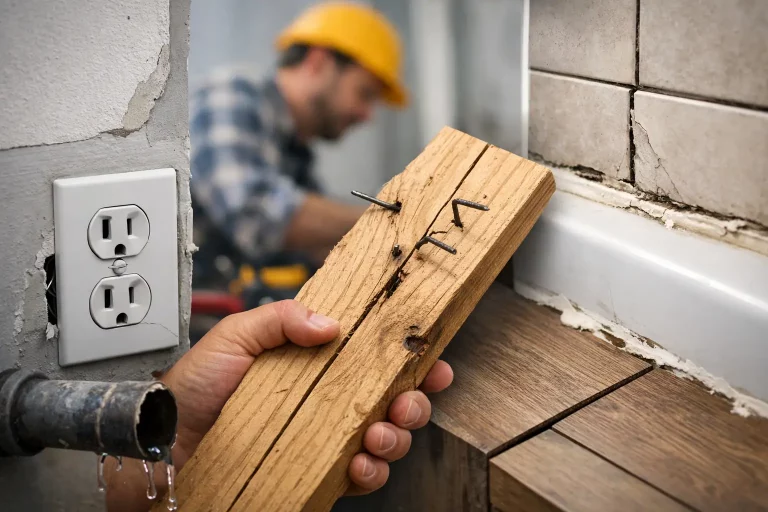
For older homes, this is also the point where hidden complications might be flagged. Uneven walls, damaged flooring, outdated plumbing and non-compliant waterproofing are common issues that affect both budget and timing.
2. Demolition and strip-out
Demolition is usually fast. In many cases it takes 1 to 2 days to remove tiles, fittings, the vanity, shower base and wall linings. But fast does not always mean simple. Once the room is stripped back, the condition of the subfloor, wall framing and plumbing becomes clear.
If everything behind the old bathroom is sound, the project keeps moving. If there is water damage, rot or previous poor workmanship, repairs need to happen before new finishes go in.
3. Rough-in works
Rough-in is where licensed trades complete the plumbing and electrical changes behind walls and under floors. This typically takes 2 to 4 days, depending on how much is changing.
Keeping the toilet, shower and vanity in the same positions usually saves time. Moving waste points, chasing brick walls or upgrading old pipework adds labour and complexity. This is one of the clearest examples of a trade-off between design freedom and project speed.
4. Carpentry, sheeting and preparation
Once services are roughed in, the room is straightened, repaired and prepared for waterproofing and tiling. That can include wall framing adjustments, floor levelling, fitting cement sheet, and getting the room square where possible. This stage usually takes 1 to 3 days.
Good preparation does not always look dramatic, but it has a big impact on the final result. Rushing this part is one of the quickest ways to end up with crooked lines, poor drainage or finishes that do not last.
5. Waterproofing and curing
Waterproofing itself may be done in a day, but the curing time matters. Depending on the system used and site conditions, this stage often needs 1 to 2 days before tiling can proceed.
This is not dead time. It is essential time. Bathrooms fail when shortcuts are taken here, and fixing a failed waterproofing system is far more disruptive than allowing the product to cure properly the first time.
6. Tiling
Tiling generally takes 3 to 6 days. Small bathrooms are not always faster to tile than large ones, especially when there are niches, feature tiles, herringbone patterns or detailed cuts around fittings.
The tile choice matters more than many people realise. Large-format tiles may reduce grout lines but can take more effort to set on out-of-square walls. Mosaic floors can look excellent but usually add installation time. After tiling, grout needs time to set before the room is ready for fit-off.
7. Fit-off and finishing
Fit-off is where the room starts to look complete. Tapware, toilets, basins, vanities, mirrors, shower screens, lighting and accessories are installed. This stage usually takes 2 to 4 days, with shower screens and custom joinery sometimes requiring separate visits.
Silicone sealing, painting and final touch-ups are often the last items before handover. If all parts are on site and the schedule has been coordinated well, this stage can move smoothly. If even one critical item is missing, progress can stall.
What makes some bathroom renovations take longer?
The biggest delays usually come down to scope, product availability and what is found after demolition. A bathroom in a newer home with straightforward access is very different from a renovation in an older property where walls are out of plumb and plumbing needs replacement.
Custom work often adds time too. Bespoke vanities, made-to-order shower screens and special-order tiles can improve the final result, but they need to be planned early. There is nothing wrong with choosing higher-end finishes. The key is matching those choices with a realistic programme.
Trade coordination also matters. Bathrooms rely on several trades working in the right order, and one delay can flow into the next. This is why organised project management makes such a difference. A well-run job does not just depend on good workmanship. It depends on good sequencing and clear communication.
How long does bathroom renovation take if you keep the same layout?
If you keep the toilet, shower and vanity in their current positions, the renovation is usually quicker and more cost-effective. In many cases, a same-layout renovation can be completed on site in around 2 to 3 weeks, assuming materials are ready and there are no hidden issues.
That does not mean you should never change the layout. Sometimes a poor bathroom design needs fixing properly, especially in compact spaces where storage, access and daily use are frustrating. But if timing is tight, keeping services where they are is one of the simplest ways to shorten the programme.
How to keep your renovation on schedule
The smoothest bathroom projects are decided before they are started. Choose your fixtures, tiles and finishes early, and make sure they are available when needed. Last-minute changes are one of the fastest ways to blow out both time and cost.
It also helps to be clear on what matters most. If your priority is speed, simplify the scope and avoid unnecessary layout changes. If your priority is a fully customised finish, allow extra time and accept that quality work cannot be rushed.
For homeowners in Melbourne’s south east, local supplier availability and trade scheduling can also affect timing. Winter moisture, apartment access restrictions, and older home conditions all have a bearing on how smoothly a bathroom renovation progresses.
The shortest answer is not always the most useful one
When people ask how long does bathroom renovation take, they often want a single number. The better answer is this: a straightforward bathroom can be renovated in a couple of weeks on site, but a well-planned project from first decision to final handover often takes a month or more.
That is not a sign something has gone wrong. It is what happens when licensed trades, curing times, material lead times and quality control are all handled properly. A bathroom gets used every day, and it puts up with moisture, movement and wear. It is worth allowing enough time to build it well.
If you are planning your own project, the smartest move is to ask for a realistic timeline based on your exact scope, not a best-case estimate. A clear programme, honest advice and good coordination will always save more stress than a rushed promise ever will.