
Choosing a Carpentry Team for Builders
A missed frame date rarely stays a frame problem. It pushes every trade behind it, puts pressure on the site team, and turns a manageable build into a chase. That is why choosing the right carpentry team for builders is not just about labour capacity. It is about whether the people on your site can help keep the whole job moving.
For builders across Melbourne, the better question is not simply who can quote the work. It is who can take ownership of it. A good carpentry crew does more than show up with tools and a start date. They understand sequencing, communicate early when something needs attention, and deliver work that does not create headaches for the next trade.
What builders actually need from a carpentry team
Most builders are not looking for the cheapest line item on a spreadsheet. They are looking for reliability they can build a programme around. If a carpentry subcontractor says they will be on site Monday, the expectation is simple – they are there Monday, ready to work, with the right gear and enough hands to make progress.
That sounds basic, but it is where many projects come unstuck. Delays often start with poor planning, inconsistent attendance, or crews that overcommit across too many jobs. The result is patchy progress, rushed finishes, and site managers spending too much time chasing updates.
A dependable carpentry team for builders helps remove that friction. They bring structure to the job, not just manpower. That includes reading plans properly, raising issues before they become rework, and understanding how their scope affects everyone else on site.
Why end-to-end carpentry matters
There is a big difference between hiring a team for one isolated stage and working with a crew that can handle the full carpentry package. Frames, lock-up, fix and fit-out all require different skills, but continuity across those stages makes a real difference to quality and site flow.
When one team carries the work through multiple stages, there is usually less confusion, fewer handover issues, and stronger accountability. The people who framed the structure already understand the build when it is time for lock-up and internal finishes. They know where tolerances matter, where previous site decisions were made, and what needs to line up for a clean result.
That does not mean one arrangement suits every project. On some builds, splitting scopes across specialist crews can make sense, especially if timing or procurement requires it. But for many residential and multi-residential jobs, end-to-end carpentry gives builders tighter control and fewer moving parts.
Fewer gaps between stages
One of the common pain points on site is the downtime between one crew finishing and another taking over. Even short gaps can affect waterproofing, cladding, plaster, cabinetry and final finishes. A carpentry partner who can move through the stages with the project reduces those pauses.
That continuity also helps with workmanship. Details carried consistently from the frame through to fit-out tend to show in the final product.
The signs of a strong carpentry partner
Plenty of crews can talk a good game in a meeting or tender process. The test is what happens once the build is under pressure. Good trade partners are usually easy to spot because they do a few things consistently well.
They communicate clearly. That means realistic start dates, honest updates, and early notice when something on site could affect programme or finish quality. Builders do not need constant chatter, but they do need facts they can act on.
They understand supervision. A strong crew does not need to be micromanaged to stay productive. Site managers should not have to explain the same expectations twice or chase basic housekeeping, coordination and quality control.
They care about the finish. Even at early stages, disciplined carpenters think ahead. They frame accurately because they know poor set-out causes problems later. They keep tolerances tight because they understand that rough work shows up again at fit-out.
They respect the programme. Every build has moving parts, and not every delay sits with the carpenter. Weather, variations, deliveries and client decisions all affect timing. What matters is how the team responds. Good crews stay flexible, work through issues sensibly, and focus on keeping momentum where possible.
Where builders can get caught out
Choosing on price alone can be expensive. A low quote looks attractive until labour is under-resourced, defects start appearing, or the crew disappears to cover another project. Rework, delays and strained client relationships cost more than the initial saving.
Capacity is another area builders need to assess properly. A team might be skilled, but if they are stretched across too many sites, your project will feel it. Ask who will actually be on the tools, how the work will be staged, and whether the business has the depth to support the programme if conditions change.
There is also the issue of fit. A crew that performs well on volume builds may not suit detailed custom homes. Likewise, a small boutique team may deliver excellent finish carpentry but struggle with the speed and coordination required on larger multi-residential jobs. Experience matters, but relevant experience matters more.
A carpentry team for builders should make site life easier
The best subcontractors reduce workload for the builder, not add to it. That is not about replacing the site manager or project manager. It is about taking responsibility for their own scope so the builder can focus on the broader project.
That includes turning up prepared, managing materials sensibly, maintaining a safe and tidy work area, and resolving straightforward issues without drama. It also means knowing when to escalate something that affects design, structure or downstream trades.
Builders value teams that are easy to work with because those relationships save time every week. Less chasing. Less fixing. Less uncertainty. Over the life of a project, that has real value.
Communication is part of the trade
A lot of site frustration comes down to poor communication rather than poor skill. If an issue with plans, measurements or access is raised early, it is often manageable. If it sits unspoken until the programme is already slipping, the same issue becomes expensive.
That is why reliable communication is not an optional extra. It is part of professional delivery. A quality carpentry team understands that keeping the builder informed is part of doing the job properly.
What this means for homeowners as well
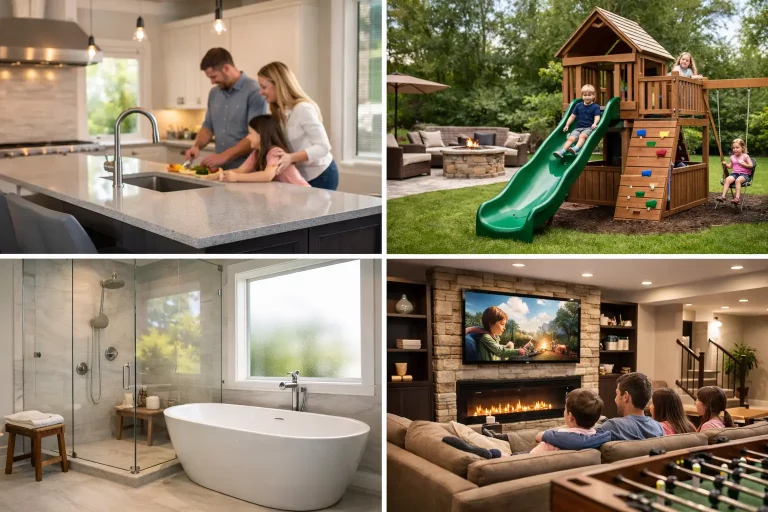
Even though builders are the main audience for this topic, homeowners benefit from the same standards. If you are planning an extension, kitchen renovation, bathroom upgrade or structural carpentry work, the signs of a dependable team are very similar.
You want trades who show up when they say they will, explain the work in plain language, and manage the process without turning your home into a source of constant stress. Good carpentry affects more than appearance. It affects how well doors close, how cabinetry sits, how external areas weather over time, and how the whole space feels once finished.
That overlap is one reason experienced carpentry businesses can work effectively across both builder-led projects and residential renovations. The technical standard stays high, but the service side matters just as much.
What to ask before you engage a carpentry team
Before committing to a subcontractor, it helps to have a direct conversation about scope, timing and expectations. Ask what stages they cover, how they resource their jobs, and how they manage communication throughout the build. Look for straight answers rather than sales talk.
It is also worth asking about the types of projects they handle most often. A team with proven experience in residential and multi-residential work will usually have a clearer sense of programme pressure, finish standards and coordination requirements. If they can talk confidently about frames, lock-up, fix and fit-out without making the process sound harder than it needs to be, that is usually a good sign.
For builders wanting a trade partner rather than a one-off labour source, consistency matters. That is where a company like Scotia Construction can make sense – not simply because it offers carpentry, but because it is set up to deliver the full scope with the kind of follow-through builders and homeowners actually need.
The right crew will not just help finish the job. They will help steady it from the start, which is often the difference between a build that feels under control and one that never quite catches up.