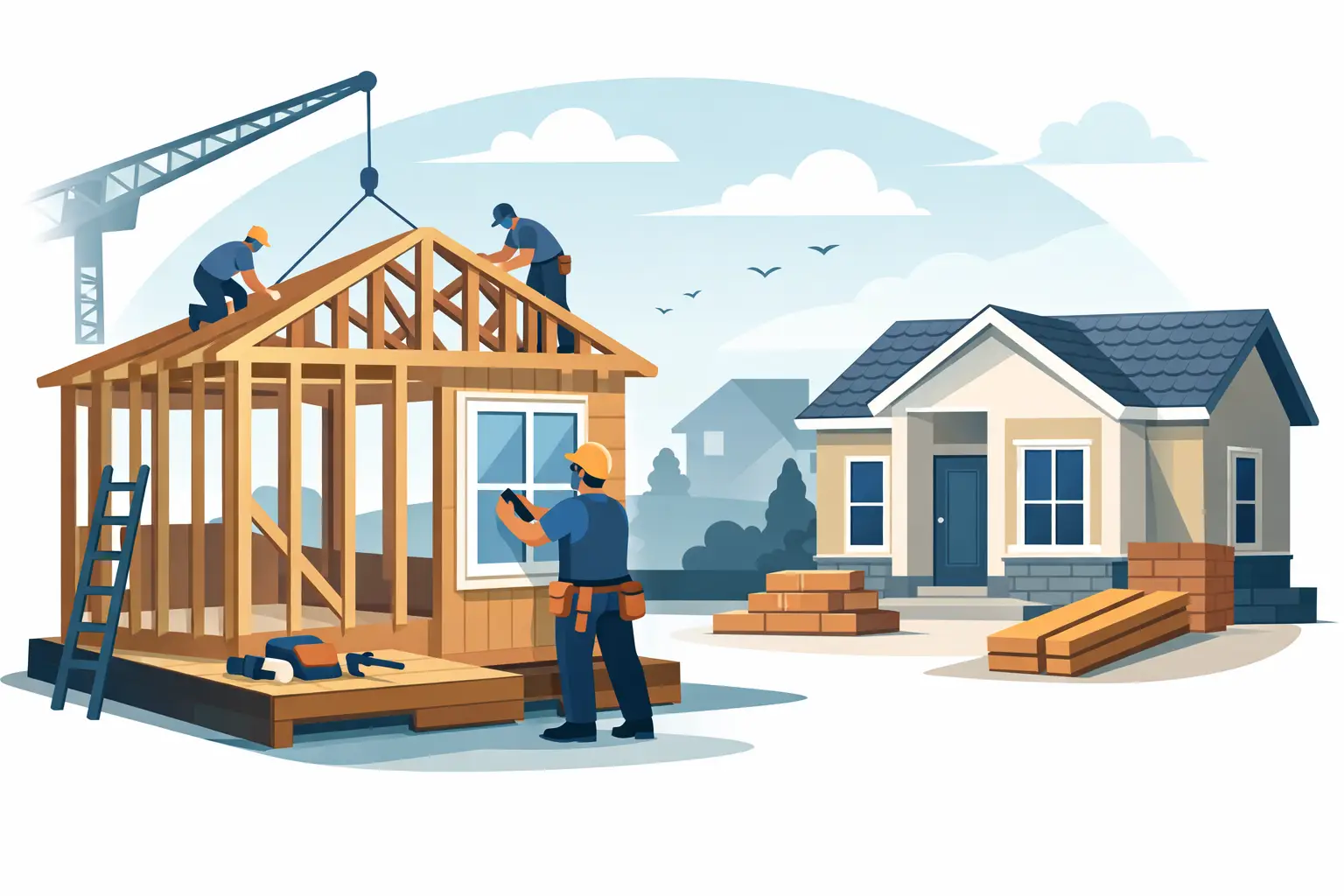
What Frame and Lock Up Carpentry Covers
Frame and lock up carpentry is the stage where a build starts to feel real. Before plaster, paint and cabinetry ever go in, this is the work that gives the structure its shape, strength and security. It is also one of the clearest indicators of how the rest of the project is likely to run.
For builders, that matters because delays or poor workmanship at this point ripple through every trade that follows. For homeowners planning a renovation, extension or new build, it matters because the quality of the framing and lock-up stage affects everything from straight walls and square openings to weather protection and peace of mind.
What frame and lock up carpentry actually includes
At a practical level, frame and lock up carpentry covers two connected stages of the build.
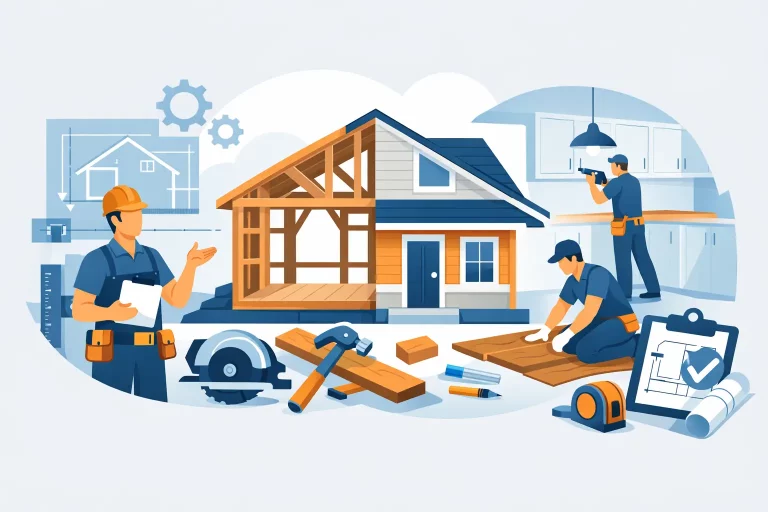
The framing stage is about creating the structural skeleton. That usually includes wall frames, floor systems, roof trusses or cut roofs, structural beams, supports and the carpentry elements that establish the form of the building. This is the part that needs to be exact. If levels are off, openings are wrong, or tolerances are loose, the problems do not stay hidden for long. Windows become harder to install, internal linings show imperfections, and finishing trades end up compensating for work that should have been right from the start.
The lock-up stage comes next. This is where the structure is enclosed so the building can be secured and protected from the weather. Depending on the scope, lock-up carpentry can include installing external doors, windows, wall cladding, roof battens, eaves, fascias, and other external carpentry elements that bring the building to a secure shell. Once a project reaches lock-up, it is generally in a much stronger position for internal trades to move forward with fewer interruptions.
Why this stage has such a big impact on the whole project
A lot of people think of framing as hidden work because it sits behind the finished surfaces. In reality, it is some of the most important work on site.
Good frame and lock up carpentry supports programme certainty. Builders rely on this stage to keep the site moving, because electricians, plumbers, roofers, window installers and internal fix trades all depend on accurate structural carpentry. When the frame is straight, openings are correct and the lock-up is completed on time, the rest of the schedule becomes easier to manage.
It also affects finish quality more than many clients realise. A premium kitchen, neatly set tiles or custom joinery can only look as good as the structure behind them allows. If the building is out of square, even the best finishing trades are working uphill.
Then there is the issue of weather exposure. Melbourne conditions are not always forgiving. A project left open for too long can take on moisture, suffer delays and create avoidable site stress. Reaching lock-up efficiently helps protect materials, reduce disruption and keep momentum on the job.
Frame and lock up carpentry for builders
For builders and site managers, this stage is not just about getting timber in place. It is about having a carpentry team that can read plans properly, coordinate with other trades and deliver without constant chasing.
That is often the difference between a subcontractor who simply turns up and one who adds real value to the job. On a well-run site, frame and lock up carpentry should support the wider build process, not complicate it. That means accurate set-out, consistent workmanship, awareness of sequencing and communication when site conditions or documentation need clarification.
There is also a commercial side to it. Rework at frame stage is expensive. It slows other trades, creates site friction and can affect handover dates. Builders need carpenters who can hold quality while still working efficiently. Fast work that has to be redone is not fast at all.
For multi-residential and higher-volume work, reliability becomes even more important. Labour gaps, inconsistent crews or poor supervision can quickly put pressure on programme and budget. A dependable frame and lock-up team helps reduce that risk.
Frame and lock up carpentry for homeowners
Homeowners usually see this stage differently. It is the point where plans become something tangible. An extension starts to show its size. A renovation opens up. Outdoor structures begin to define how a space will actually feel and function.
This is also the stage where confidence in the builder or carpenter tends to either grow or wobble. If the site is tidy, communication is clear and progress is visible, clients generally feel reassured. If timelines slip, workmanship looks rough or questions go unanswered, concern builds quickly.
That is why clear explanations matter. Homeowners do not need every technical detail, but they do need to know what is being built, what comes next and whether the job is tracking properly. Honest communication at frame and lock-up stage takes a lot of stress out of the process.
In renovation work, there can be added complexity because the new structure has to tie into an existing home. Floors may not be level, older walls may be out, and once linings come off, hidden issues can appear. A capable carpentry team knows how to manage those realities without turning every surprise into a drama.
What good workmanship looks like at this stage
Not every client will inspect a frame with a tape measure in hand, but there are signs of quality that are easy to recognise.
Good framing looks planned, not patched together. Members are installed neatly, structural elements are handled properly, and openings align as they should. There is a sense that the work has been done with care rather than rushed to tick a box.
At lock-up stage, quality shows in the detail. Doors and windows should be installed accurately. External elements should feel solid and weather-conscious. The site should begin to look more controlled and secure.
Equally important is how the team works. Reliable carpenters keep the site moving, communicate clearly and do what they say they will do. That consistency matters just as much as technical skill, especially on busy residential projects where timing and coordination affect everyone.
Why the cheapest price can cost more later
Frame and lock up carpentry is not a stage where cutting corners pays off. Lower pricing can sometimes reflect lean overheads or efficient systems, but it can also mean reduced supervision, lower workmanship standards or crews that are spread too thin.
The trouble is that defects at this point are rarely isolated. A frame issue can carry through to cladding, linings, waterproofing, cabinetry and final finish quality. What looked cheaper upfront can end up costing more in delays, defects and frustration.
That does not mean the highest quote is automatically the best either. The right choice usually comes down to capability, track record and reliability. Builders want subcontractors who can be trusted on programme. Homeowners want confidence that the structure of their project is being handled properly. In both cases, value sits in the result, not just the rate.
Choosing the right team for frame and lock up carpentry
If you are engaging a carpentry team for this stage, look beyond whether they can physically do the work. Most crews can frame a wall. The bigger question is whether they can deliver the whole stage well.
That means understanding plans, spotting issues early, maintaining quality under time pressure and communicating like professionals. It also means respecting the handover to the next trade. A good frame and lock-up team does not create mess for others to fix later.
For Melbourne projects, local experience also helps. Different site conditions, design standards and weather patterns can all influence how the work should be approached. A team used to this market is generally better placed to keep quality and progress on track.
At Scotia Construction, that stage is treated for what it is – a critical part of the build, not just another box to tick. Builders need a carpentry partner who follows through. Homeowners need confidence that the job is being handled properly from structure to finish. The same standard applies to both.
Frame and lock up carpentry does more than hold a building together. It sets the tone for everything that follows, and when it is done properly, the rest of the project has a much better chance of running the way it should.