Home Extensions That Add Space and Value
A house can feel too small long before it stops being a good home. The kitchen gets cramped, the living area never quite works, and one more child, parent or work-from-home setup pushes things past comfortable. That is usually when home extensions start to make sense – not as a luxury, but as a practical way to keep a home working for the people in it.
For many homeowners, the real question is not whether they need more space. It is whether extending is the right move compared with renovating what is already there or starting again somewhere else. The answer depends on the house, the block, the budget and how long you plan to stay. A well-planned extension can improve daily life and add real value. A rushed one can create cost blowouts, awkward flow and years of regret.
When home extensions are the right choice
Moving sounds simple until you add up stamp duty, agent fees, legal costs and the price jump into a better suburb or bigger house. If you already like your street, your school zone and your backyard, staying put often makes financial and lifestyle sense.
Home extensions tend to work best when the existing home has good bones and the problem is space or layout rather than major structural failure. Maybe the bedrooms are undersized, the kitchen is boxed in, or the family area does not connect properly to the yard. In those cases, an extension can solve the actual issue instead of forcing a full rebuild.
There is also the matter of land. In many established areas, the block itself is one of the biggest assets. Extending lets you make better use of it. A rear extension can open up family living without changing the street presence. A second-storey extension can add bedrooms and bathrooms while keeping outdoor space intact. The right option depends on your site, council requirements and how much disruption you are prepared to take on.
What a good extension really changes
The obvious benefit is extra room, but the best extensions do more than increase square metres. They improve how the house works.
A smart extension can fix bottlenecks that have annoyed you for years. It can bring in more natural light, create clearer zones for living and sleeping, improve storage, and make the home feel more connected. Sometimes the new part is not even the biggest win. The bigger benefit is how the old and new spaces finally start working together.
That is why layout matters as much as size. A large addition that feels tacked on will never perform as well as a modest extension that improves circulation and liveability. More space is useful. Better flow is what makes it worth the investment.
Rear, side or second-storey?
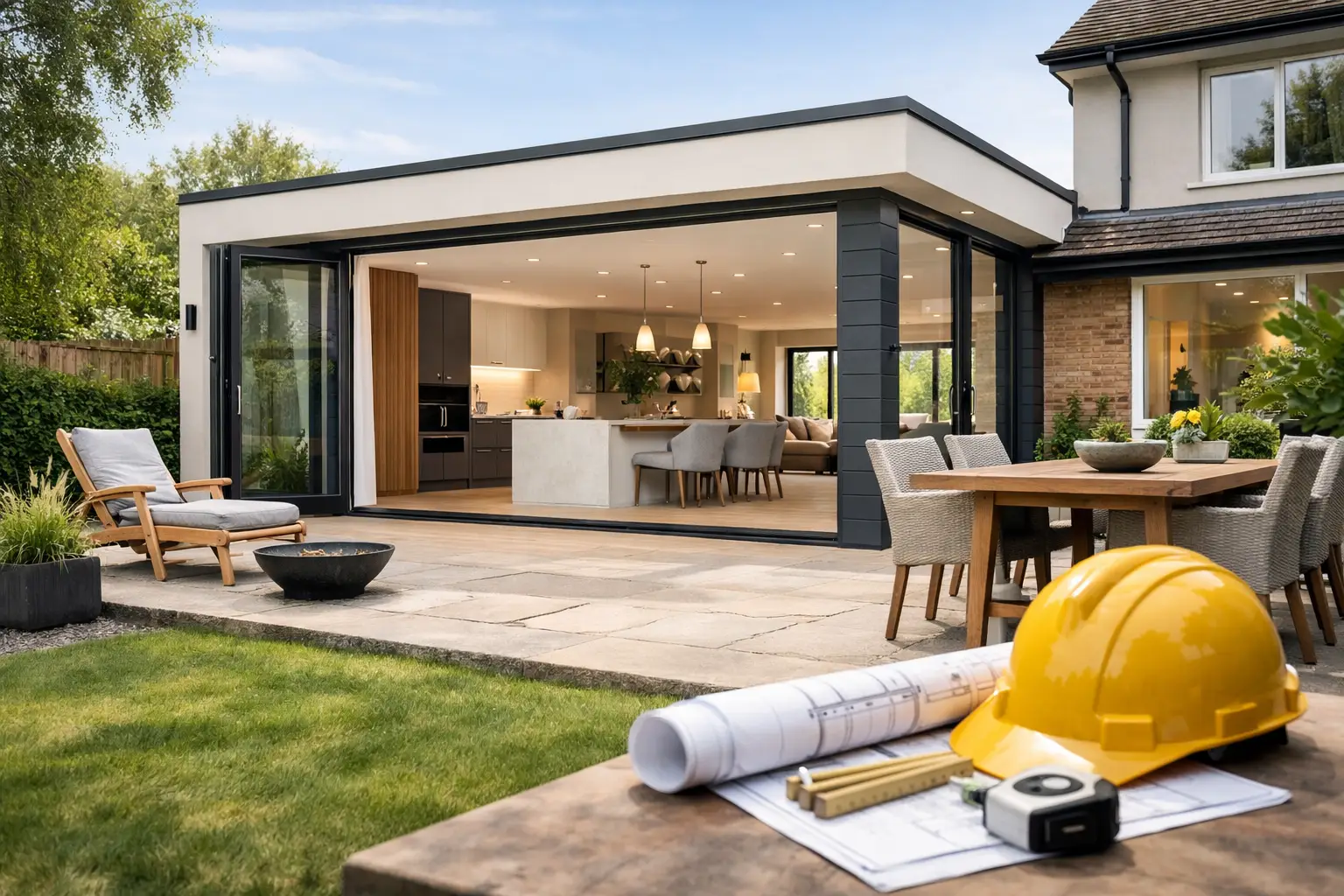
Not all home extensions solve the same problem. A rear extension is often the most straightforward choice when the goal is a larger kitchen, open-plan living area or stronger connection to the outdoor space. It suits many family homes because it expands where people spend most of their time.
A side extension can work well on wider blocks where there is underused land along the boundary. It can be a good option for widening narrow internal spaces or creating more practical service areas such as laundries, mudrooms or additional bathrooms.
A second-storey extension usually comes into play when land is limited or preserving yard space matters. It can be an effective way to separate living and sleeping zones, especially for growing families. But it also tends to involve more structural complexity, greater cost and more disruption to the existing home during construction.
There is no universal best option. What works on one property may be the wrong move on another. The shape of the block, the existing structure, overlooking concerns, neighbourhood character and budget all influence the decision.
The budget is not just about the build
One of the biggest mistakes in extension planning is focusing too narrowly on the build cost. The construction itself is only part of the overall spend.
Design fees, engineering, permits, demolition, site preparation, fixtures, finishes and service upgrades can all shift the final number. Older homes can also bring surprises once work starts. That might mean discovering structural issues, outdated wiring, plumbing problems or foundations that need attention before the extension can proceed properly.
This does not mean extensions are poor value. It means they need realistic budgeting from day one. Cheap pricing that ignores the real scope usually ends up costing more later. Clear documentation, honest allowances and proper planning are what keep a project under control.
For homeowners, the better question is not What is the cheapest way to extend? It is What is the smartest way to invest in this property without compromising the result?
Why build quality matters more than flashy ideas
A beautiful rendering is easy. Delivering a finished extension that looks right, performs properly and holds up over time is the harder part.
Good home extensions rely on sound carpentry, accurate structural work and careful integration with the existing house. Floors need to line up. Rooflines need to make sense. Junctions between old and new need to be weatherproof and visually clean. Internal finishes should feel consistent, not like two different homes stitched together.
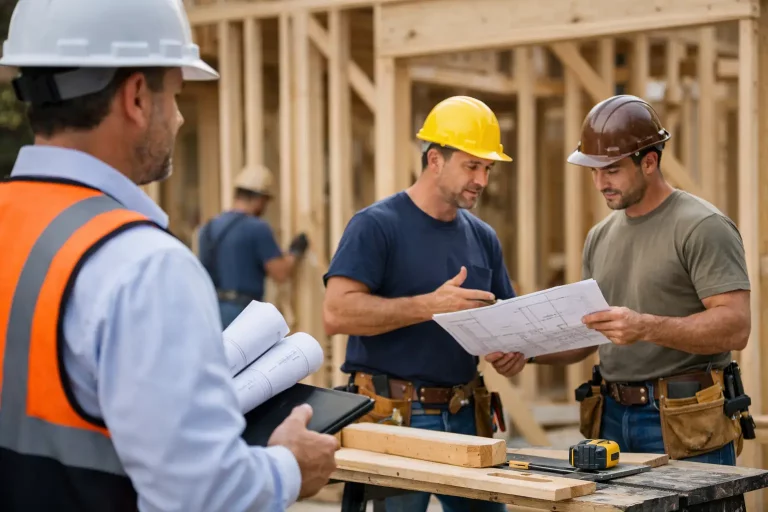
This is where workmanship makes a real difference. An extension is not just new construction on an empty site. It is construction that has to respect what is already there while improving it. If the team handling the work is disorganised, corners get cut quickly. If they are experienced, communicative and methodical, the whole job runs better.
That matters for homeowners and builders alike. Reliable trades protect timelines, reduce rework and make coordination easier across the project.
Planning for disruption
Even a well-run extension affects day-to-day life. There will be noise, trades coming and going, material deliveries and periods when parts of the home are less usable than normal. If the kitchen or bathroom is involved, the impact can be significant.
This is why communication matters almost as much as construction. Homeowners need a realistic picture of what the process will involve, how long key stages are likely to take, and where the pressure points will be. Builders need subcontractors who show up, work to programme and do not create headaches on site.
A stress-free project is not one with zero disruption. It is one where the work is organised properly, expectations are clear and problems are dealt with early instead of being ignored.
How to make home extensions worth it
The projects that feel most successful usually start with a simple goal. Not a vague idea of adding value, but a clear understanding of what the house needs to do better.
Maybe you need an extra bedroom and bathroom for a growing family. Maybe the main goal is a larger kitchen and living area that opens onto the backyard. Maybe it is better storage, improved natural light or space to work from home without taking over the dining table. Once that goal is clear, the design and construction decisions become easier to judge.
It also helps to think beyond resale. Value matters, but daily use matters more. If you are planning to stay for years, the right extension should make the home easier to live in every day, not just more attractive to a future buyer.
For properties across Melbourne’s south east, that often means designing for real family life – durable finishes, practical layouts, better indoor-outdoor connection and spaces that can adapt as needs change.
Choosing the right team
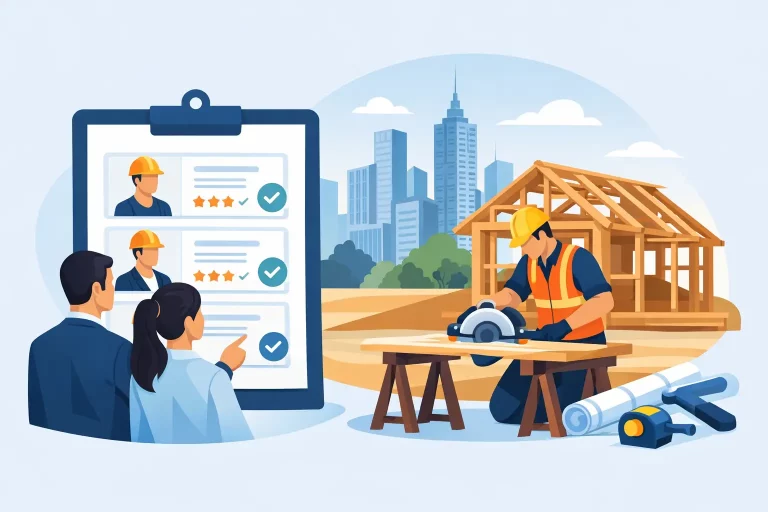
A good extension needs more than technical capability. It needs a team that communicates clearly, manages the site properly and follows through on what they say they will do.
That sounds basic, but it is where many projects come undone. Delays with no explanation, unclear scopes, inconsistent workmanship and poor coordination are what make homeowners lose confidence and builders lose time.
The better experience comes from working with people who understand the full process, not just one part of it. Teams with strong carpentry capability and renovation experience tend to spot issues earlier, manage detail better and deliver a result that feels considered from frame to finish. That is the difference between getting extra space and getting an extension that genuinely improves the home.
If you are thinking seriously about extending, start with the way you live now and the way you want the house to work in five years. The smartest projects are not the biggest ones. They are the ones built with a clear purpose, solid workmanship and no guesswork where it counts.