
Home Renovations Melbourne Homeowners Get Right
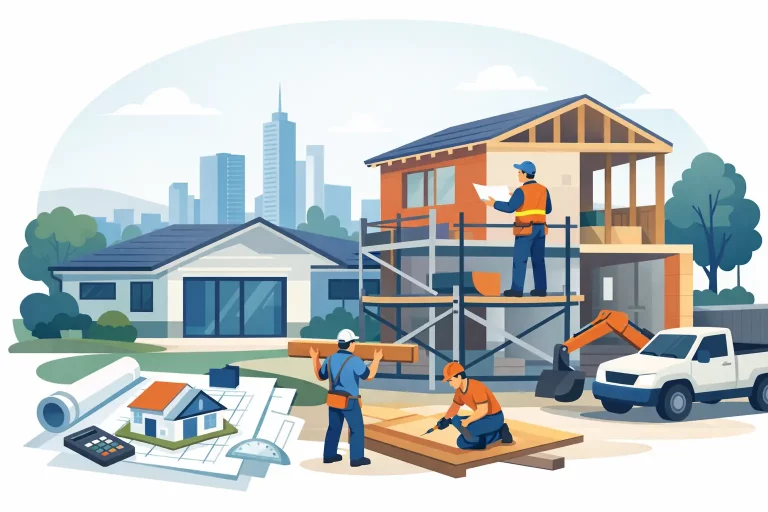
A renovation usually starts with one room that no longer works. The kitchen is too tight when everyone’s home. The bathroom feels tired. The living area doesn’t match how the family actually uses it. That is where most home renovations Melbourne projects either gain momentum or lose it – not in the demo stage, but in the early decisions around scope, budget and who is running the work.
Good renovations are not built on big promises. They are built on clear planning, realistic expectations and trades who show up, communicate properly and do the job to a high standard. Whether you are updating a single room or reshaping the whole footprint of your home, the result depends on getting the fundamentals right from the start.
Why home renovations Melbourne projects go well – or badly
Most renovation stress comes from avoidable problems. The brief is unclear, the budget is loose, or the builder is brought in too late to flag structural issues and practical constraints. On paper, a renovation can look straightforward. On site, walls are opened up, levels are checked, services are exposed, and the real condition of the house starts to tell the truth.
That does not mean every project needs to become larger or more expensive. It means the best outcomes come from understanding what is cosmetic, what is structural and what is worth doing while the walls are open. If you are already investing in a bathroom, for example, it may make sense to upgrade framing, waterproofing details or storage layout rather than simply replacing fittings in the same positions.
For older homes across Melbourne, this matters even more. Many have solid bones but awkward layouts, dated joinery or areas that were added in stages over time. A renovation should improve the way the home works now, not just make it look newer.
Start with function, not finishes
It is easy to get pulled towards tiles, tapware and paint colours before the layout is properly resolved. The smarter move is to begin with how the space needs to perform day to day. A family kitchen needs circulation, bench space and storage in the right places. A bathroom needs durable materials, sensible ventilation and enough room to move. An extension needs to feel connected to the existing house, not like an afterthought tagged onto the back.
This is where practical carpentry and renovation experience make a real difference. Good design ideas still need to be buildable. Door swings, ceiling lines, floor transitions, structural supports and finish details all affect how the final result feels. If those decisions are handled well, the space feels effortless. If they are not, even expensive materials can look average.
Homeowners often ask whether they should renovate in stages or do everything at once. The honest answer is that it depends on the budget, the disruption you can tolerate and how connected the works are. If the kitchen, dining and living areas all rely on the same structural changes, staging can create extra cost and double handling. If the bathroom is separate from the rest of the work, it may be sensible to tackle that first. There is no one-size-fits-all answer, which is why upfront advice matters.
Budget matters, but clarity matters more
A realistic budget is essential, but budget alone does not keep a project on track. Clear scope does. Many renovation blowouts happen because allowances are vague or too much is left undecided until construction is underway. Once work has started, changes become more expensive and slower to deliver.
A better approach is to separate must-haves from nice-to-haves early. Structural repairs, waterproofing, electrical upgrades and quality carpentry are not the place to cut corners. Decorative selections can often be adjusted without compromising the job. That balance is what keeps a renovation sensible.
There is also a difference between cheap pricing and value. A lower quote can look attractive until missed details, weak communication or poor workmanship start costing time and money. In renovation work, reliability is not a bonus. It is part of the product. If your builder or trade team cannot manage timelines, coordinate properly and keep you informed, the whole project becomes harder than it needs to be.
The role of carpentry in a quality renovation
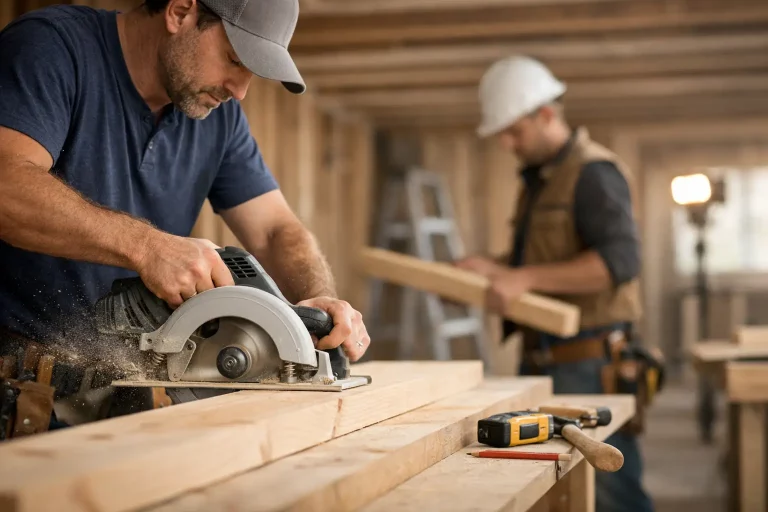
When people think about renovations, they often focus on the visible finishes. But a lot of what makes a renovation work sits behind them. Structural framing, wall straightening, floor levelling, door installation, fit-off details and custom trim all shape the final outcome.
That is why strong carpentry capability is such an asset on renovation projects. It helps when walls need reworking, openings need resizing, outdoor living areas need integrating, or extensions need to tie into the existing house without looking patchy. The quality of that work is what gives a renovation a finished, solid feel rather than a rushed one.
For homeowners, this means fewer compromises and better execution. For builders, it means having a trade partner who can deliver across the build process rather than handling one narrow task and leaving problems for someone else. A team that can manage frames, lock-up, fix and fit-out brings continuity to the job, and continuity usually means fewer headaches on site.
Common renovation types and what to expect
Kitchens
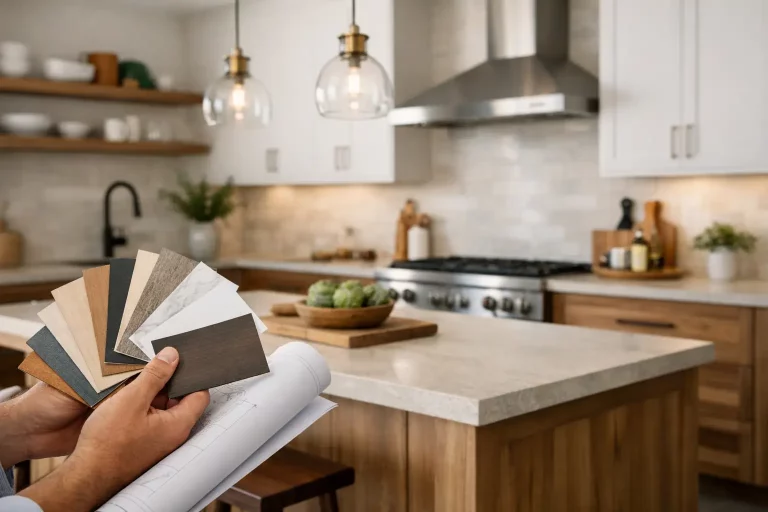
Kitchen renovations usually combine the biggest visual change with the most practical pressure. Families still need to eat, move through the house and keep some routine while the work is underway. The key is planning the layout properly before the first cabinet is removed. Storage, appliance positions, natural light and traffic flow all matter more than a trend-driven finish selection.
Bathrooms
Bathrooms are compact spaces with little room for error. Waterproofing, drainage falls, ventilation and detailed set-out all need to be right. A bathroom can look clean and modern on handover day, but if the build quality behind the tiles is poor, the problems arrive later.
Extensions and living areas
Extensions can transform a home, especially when the existing layout no longer suits a growing family. But the challenge is not just adding space. It is making the new work feel consistent with the original house. Rooflines, floor levels, structural supports and internal flow need careful coordination if the extension is going to feel natural.
Outdoor living
Outdoor areas are often underestimated. A well-built deck, pergola or covered entertaining zone can improve daily use of the home just as much as an internal renovation. The best ones feel integrated, not separate, with attention paid to access, weather exposure and durable materials.
Choosing the right team for home renovations Melbourne work
If you are comparing renovation companies, look past sales language and focus on how they actually operate. Do they communicate clearly? Are they realistic about timing and cost? Can they explain the build process in plain terms? Do they have the carpentry depth to deal with structural and finishing work properly?
This is especially important in occupied homes, where professionalism matters as much as construction skill. Respect for the site, consistent communication and reliable attendance all affect the experience for the homeowner. A renovation should not feel easy because it is simple. It should feel manageable because the team is organised.
In Melbourne’s south east, where homes range from older brick veneers to more complex modern builds, experience across different property types helps. So does a straightforward approach. Scotia Construction is one example of a team built around that mix – quality workmanship, reliable delivery and clear communication from start to finish.
What a successful renovation really looks like
A successful renovation is not just one that photographs well. It is one that feels better to live in six months later. The kitchen still works on a busy weeknight. The bathroom holds up. The extension feels like it was always meant to be there. The doors close properly, the finishes line up, and nothing feels temporary.
That kind of result rarely comes from rushing in. It comes from making good decisions early, bringing in the right people and treating workmanship as non-negotiable. If you are planning home renovations Melbourne homeowners can genuinely rely on, the smartest move is to start with a team that values precision, communication and follow-through as much as the final look. The right renovation should not just update your home – it should make daily life work better.