What Makes a Good Carpentry Team?
A carpentry team can look good on paper and still cause headaches on site. The real test shows up in the day-to-day – whether the frame is straight, whether the schedule holds, whether calls get returned, and whether the finish stands up once the job is handed over. When people ask what makes a good carpentry team, they are usually asking a bigger question: who can you trust to do the work properly without creating extra problems?
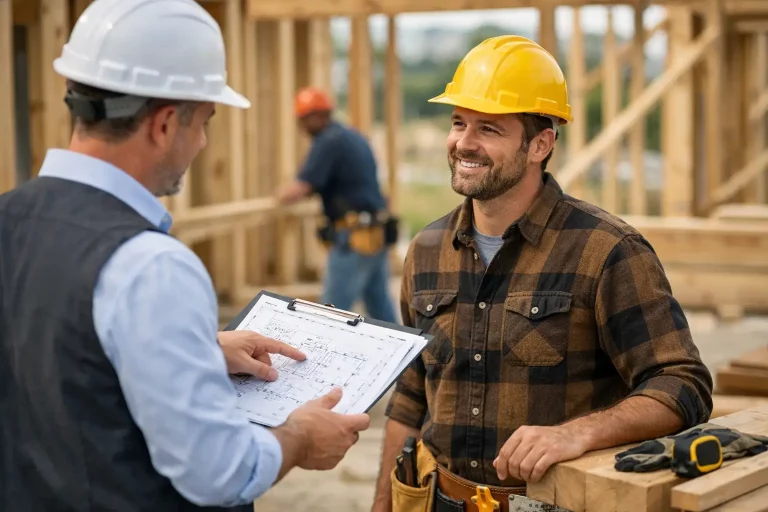
That matters just as much for a builder running a tight programme as it does for a homeowner living through a renovation. In both cases, the best team is not simply the one that can swing a hammer. It is the one that combines workmanship, reliability and communication from the first measure to the final fix.
What makes a good carpentry team on a real job?
A good team is built on more than technical ability. Skill is the starting point, not the whole story. If the quality is there but the team misses deadlines, leaves issues unresolved or needs constant chasing, the project still suffers.
On the other hand, a friendly crew with good intentions is not enough either. Carpentry affects structure, finish, sequencing and the work that follows. If measurements are off, if tolerances are sloppy or if details are rushed, those mistakes travel through the build and become someone else’s problem.
The best carpentry teams bring both sides together. They know their trade, they understand how a job runs, and they take responsibility for their part in the result.
Strong workmanship is non-negotiable
The first thing that separates a solid team from an average one is consistency in the work itself. Anyone can produce a nice-looking section on a simple day. The real mark of quality is whether the standard holds across the whole project – frames, lock-up, fix and fit-out included.
That means accurate set-out, clean lines, proper alignment, solid structural understanding and attention to the details that clients may not notice straight away but will benefit from for years. Doors should close properly. Skirtings should sit clean. External elements should be built for weather, movement and longevity, not just appearance on handover day.
Good workmanship also means knowing when a detail needs to be challenged. Sometimes plans, existing conditions and practical reality do not line up perfectly. A capable carpentry team does not blindly push ahead and hope for the best. They flag issues early and help find a workable solution.
Reliability is what keeps projects moving
For builders, reliability is often the difference between a trade partner and a trade headache. A team that turns up when promised, staffs the job properly and keeps momentum on site becomes part of the solution. A team that overcommits, disappears between stages or constantly pushes dates back can throw off multiple trades.
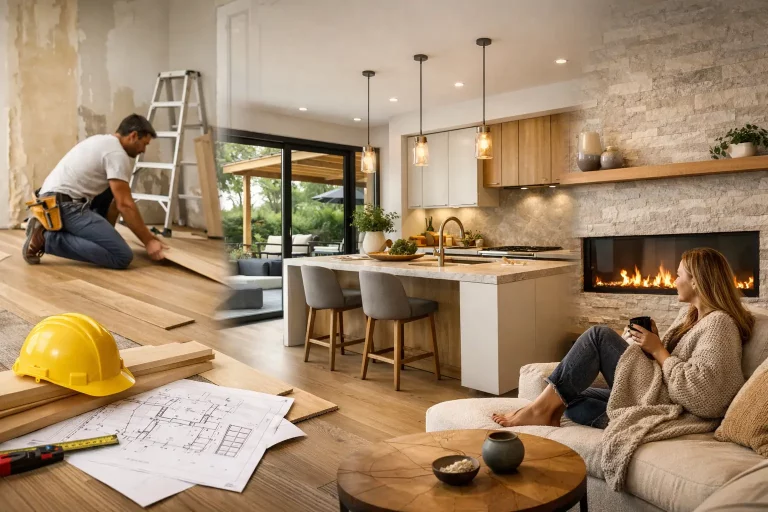
For homeowners, reliability feels a bit different but matters just as much. It shows up in whether the crew respects the agreed timeline, keeps the site manageable and follows through on what was discussed. Renovations are disruptive enough without wondering whether the carpenter is going to show up this week.
Reliability is not about pretending every job runs perfectly. Weather changes, materials get delayed and site conditions shift. A good team deals with that honestly. They communicate early, reset expectations clearly and keep the project moving where they can.
Communication should be clear, direct and regular
A lot of building stress comes from poor communication rather than poor intent. People can handle bad news better than silence. They can work around changes if they know about them in time.
That is why a good carpentry team communicates in a way that suits the job. Builders need direct updates, practical problem-solving and confidence that instructions have been understood. Homeowners need plain language, realistic timeframes and enough visibility to feel comfortable with what is happening in their home.
This does not mean endless meetings or overexplaining every nail and bracket. It means being contactable, being upfront and not leaving others to guess. If there is a variation, a site issue or a sequencing problem, it should be raised early. If a decision is needed, the options should be explained clearly.
A good team understands the full build, not just its own task
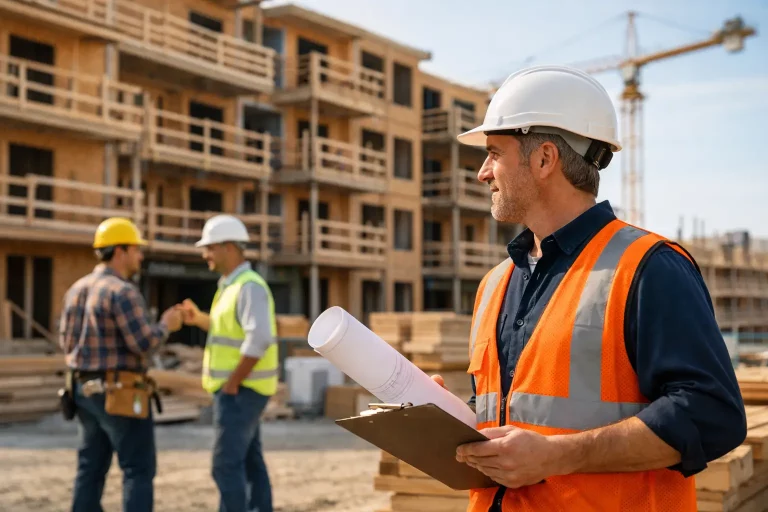
The strongest carpentry teams do not work in a bubble. They understand how their work affects the trades around them and the project as a whole. That awareness is especially important on larger residential and multi-residential builds, where poor sequencing can cost time and money fast.
A well-run team knows when to push ahead and when to coordinate. They think about access, tolerances, substrate readiness, wet area prep, finish requirements and the practical needs of the next trade coming through. That broader view makes life easier for site managers and leads to a better finish overall.
For homeowners, this same quality shows up as smoother project delivery. Instead of treating each element as a separate task, a good team thinks through how the kitchen, bathroom, extension or outdoor area comes together as a finished space.
The best carpentry teams take pride in site conduct
Professionalism on site is not window dressing. It is part of quality. A team that keeps work areas safer, tidier and more organised tends to work better overall. It also gives builders and homeowners confidence that the job is being handled properly.
This is particularly important in occupied homes, where respect matters. Turning up on time, speaking plainly, keeping noise and mess under control where possible, and treating the property with care all shape the client’s experience. Plenty of people can forgive the inconvenience of renovation. Few are happy to forgive careless behaviour.
On larger sites, good conduct means following systems, working safely and contributing to a job that runs properly. Nobody wants a subcontractor who does decent work but creates friction everywhere else.
Experience matters, but fit matters too
Experience counts. A team that has handled different project types will usually spot issues earlier, plan more realistically and produce a more dependable result. But experience on its own is not enough if the team is the wrong fit for the job.
A high-end fit-out requires a different mindset from rough framing. A renovation in an existing home requires a different approach from a new multi-townhouse build. The core trade skills may overlap, but the planning, finish expectations and client interaction can differ a lot.
That is why good clients look for a carpentry team with relevant experience, not just years in the game. A team that can move from structural carpentry to detailed finishing, and do it with the right level of care, brings more value than one that only performs well in a narrow lane.
Accountability is one of the clearest signs of quality
When something is not right, a good team owns it. That does not mean they accept blame for every issue on site. It means they are honest about their work, responsive when questions come up and willing to resolve problems properly.
This matters because no project is flawless. There are always constraints, changes and occasional mistakes. The difference is how those moments are handled. Teams that deflect, delay or go quiet are hard to work with. Teams that stay accountable build trust.
That trust is what leads to repeat work for builders and referrals from homeowners. In a trade-based business, reputation is earned one job at a time.
What to look for before you hire
If you are comparing carpentry teams, look beyond the quote. Price matters, but it rarely tells the full story. Ask how they manage scope, how they communicate, what stages they cover and how they handle site issues when they come up.
It is also worth paying attention to how they speak about previous work. The better teams tend to talk about outcomes, process and responsibility, not just how busy they are. They understand that clients are not buying labour alone. They are buying confidence that the job will be delivered properly.
In Melbourne’s south east, where builds range from fast-paced developments to family home upgrades, that balance matters. Clients need trades who can deliver quality work without adding stress to the process.
A good carpentry team makes the rest of the project easier. You notice it in the finish, in the schedule, in the way issues are handled, and in how confident you feel handing them the next stage. That is usually the best sign you have found the right people.