Fix and Fit Out Carpentry Explained
When a build reaches the stage where it starts to look and feel finished, fix and fit out carpentry is usually doing the heavy lifting. This is the point where rough structure gives way to detail – doors that close properly, skirtings that run clean, cabinetry that sits square, and finishes that make the whole space feel complete. For builders, it is where quality becomes visible. For homeowners, it is often the stage that feels most exciting, and the one that gets judged most closely.
What fix and fit out carpentry actually includes
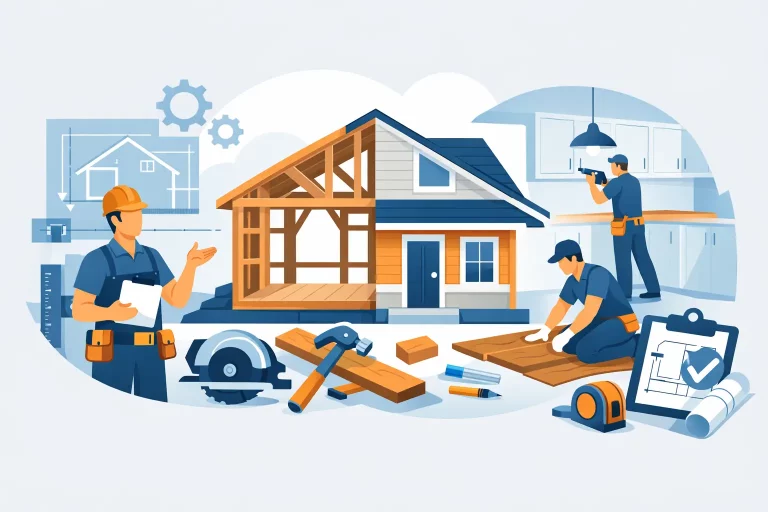
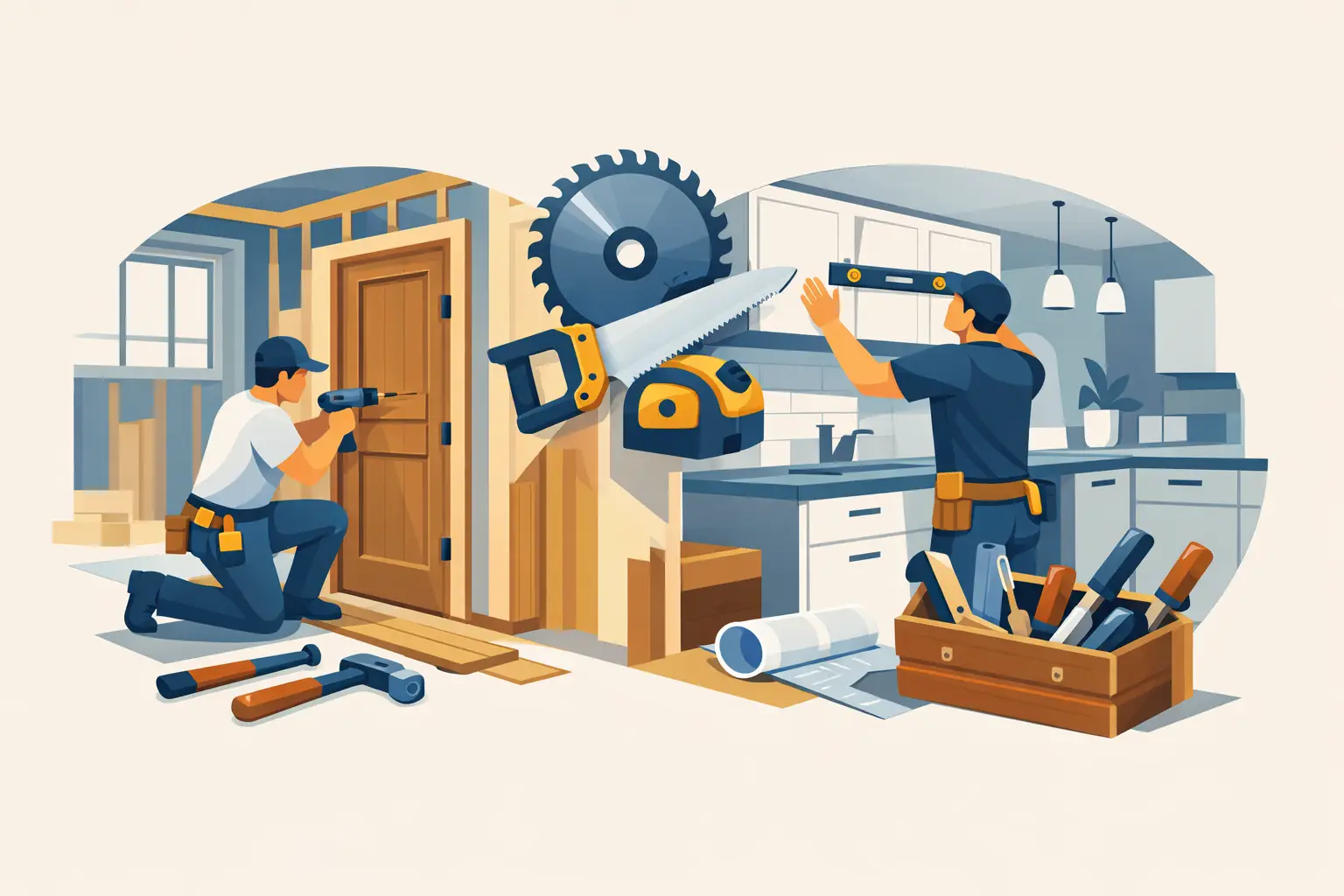
Fix and fit out carpentry covers the internal finishing work that turns a framed structure into a usable, polished space. The exact scope depends on the job, but it commonly includes hanging doors, installing architraves and skirtings, fitting internal hardware, wall and ceiling battens, timber features, shelving, cabinetry elements, stair details, and other finish carpentry items.
On some projects, fit-out can also extend into kitchens, wardrobes, laundry joinery, feature wall linings, window reveals, bulkheads, and custom trims. In multi-residential or larger builder projects, it may involve repeating these details across multiple units while maintaining consistency from one space to the next. In renovation work, it often means blending new elements into an existing home so they do not look like obvious add-ons.
That is why this stage matters so much. Frame carpentry carries the structure, but fix and fit-out work carries the finish. If it is rushed or poorly handled, even a well-built project can look average.
Why this stage gets noticed more than almost any other
Most clients will never inspect a wall frame the way they inspect a door reveal or a skirting join. They will notice if gaps are uneven, if handles feel loose, if lines run out, or if cabinetry does not sit neatly against surrounding surfaces. Builders notice it too, because this is the stage where earlier tolerances either get cleaned up properly or become hard to hide.
Good fix and fit out carpentry does more than make a project look sharp. It improves function. Doors swing properly. Storage works the way it should. Transitions between rooms feel deliberate. Timber features line up with plaster, tile, and joinery instead of fighting them. Those details affect how a home lives day to day, not just how it photographs.
This is also where workmanship has to meet coordination. Finish carpentry sits alongside painters, tilers, cabinetmakers, flooring installers, and electricians. If sequencing is off or communication is poor, delays start stacking up quickly. A dependable carpentry team helps protect the overall programme, not just its own scope.
Fix and fit out carpentry for builders
For builders and site managers, the biggest value in this stage is not simply getting the work done. It is getting it done cleanly, on time, and with minimal supervision. That matters on custom homes, townhouse developments, and apartment builds alike.
A strong fix carpenter understands set-out, reads plans properly, and picks up issues before they become defects. They know when tolerances can be adjusted on site and when something needs to be raised straight away. That kind of judgement saves rework and keeps finishes moving.
There is also a practical difference between a team that can install components and one that can manage a fit-out scope properly. The second group is thinking about sequencing, access, material handling, protection of finished surfaces, and the knock-on effect their work has on every trade around them. That reliability is what builders remember and rebook.
In larger residential projects, consistency is a major factor. One unit finished well is not enough if the next three show variation in gaps, hardware placement, or trim quality. Fit-out carpentry needs repeatable standards. That is where experienced trade teams earn their keep.
Fix and fit out carpentry for homeowners
For homeowners, this stage is often where stress can either drop away or ramp up. Once internal finishes start going in, the project feels real. Rooms take shape. Storage becomes visible. The home begins to reflect the original plan instead of looking like a worksite.
It is also the stage where people understandably get particular. You will notice the way a door sits, the finish around a window, the feel of a stair handrail, or whether a new wardrobe actually works for the way your family lives. These are not minor concerns. They are part of the everyday experience of living in the space.
In renovations and extensions, there is usually an extra layer of complexity. Existing walls may not be perfectly straight. Floor levels can vary. Older homes often require thoughtful adjustment so new carpentry ties in neatly with what is already there. That is why experience matters. A good result is not just about installing new materials. It is about making the finished work feel like it belongs.
Where quality really shows
Quality in fix and fit out carpentry is rarely about one dramatic feature. It shows in the cumulative effect of small decisions made well. Mitres line up. Skirtings sit tight to walls and floors. Door margins are even. Hardware is installed at consistent heights. Timber grain and profiles are considered rather than treated as an afterthought.
It also shows in the things people do not see immediately. Materials are handled carefully. Moisture movement is accounted for. Fixings are appropriate to the substrate. Items are installed true and level, not just close enough to pass a quick glance. The finish might look simple, but it usually depends on a lot of care behind the scenes.
There is a trade-off here worth mentioning. Fast and cheap fit-out work can look acceptable at first, especially before a client has lived with it. Over time, though, the shortcuts tend to surface. Gaps open up. Doors bind. Trims crack. Hardware loosens. Paying for proper workmanship at this stage usually costs less than fixing avoidable problems later.
Why the scope should match the project
Not every project needs the same level of detail, and that is where honest advice matters. A high-end custom home, an investment property, a bathroom renovation, and a multi-unit development all have different priorities. The right carpentry approach depends on budget, timeline, finish level, and how the space will be used.
For some builder clients, the focus is speed, consistency, and delivering a clean standard across multiple dwellings. For some homeowners, it is about bespoke details and making sure every finish suits the style of the home. Neither approach is wrong. Problems usually start when expectations are unclear or when the scope is priced too loosely and sorted out later on site.
Clear documentation helps, but so does having trades who communicate properly. If a detail is likely to affect cost, timing, or appearance, it should be raised early. That avoids the usual friction that comes from assumptions made too late.
What to look for in a carpentry team
Whether you are a builder engaging a subcontractor or a homeowner planning a renovation, the signs of a reliable fit-out team are fairly consistent. They turn up when they say they will. They keep the site organised. They ask the right questions early. They understand both finish quality and construction sequencing. Most importantly, they follow through.
Past work matters, but so does how the team operates day to day. A well-run carpentry crew reduces pressure on the rest of the project. They do not leave others guessing. They protect completed work. They treat the final result like it reflects on them, because it does.
That is the standard Scotia Construction works to across Melbourne projects for builders and homeowners alike. The goal is simple – quality work, reliable people, real results.
The value of getting this stage right
Fix and fit out carpentry is one of those stages that can quietly lift an entire project or quietly let it down. It affects appearance, function, defect levels, handover quality, and the way people feel in the finished space. It is not just trim work at the end. It is a defining part of the build.
If you are planning a project, it helps to treat this stage with the weight it deserves. Good finishes do not happen by accident. They come from capable trades, clear communication, and enough care to get the details right the first time. That is usually what people remember long after the dust has settled.